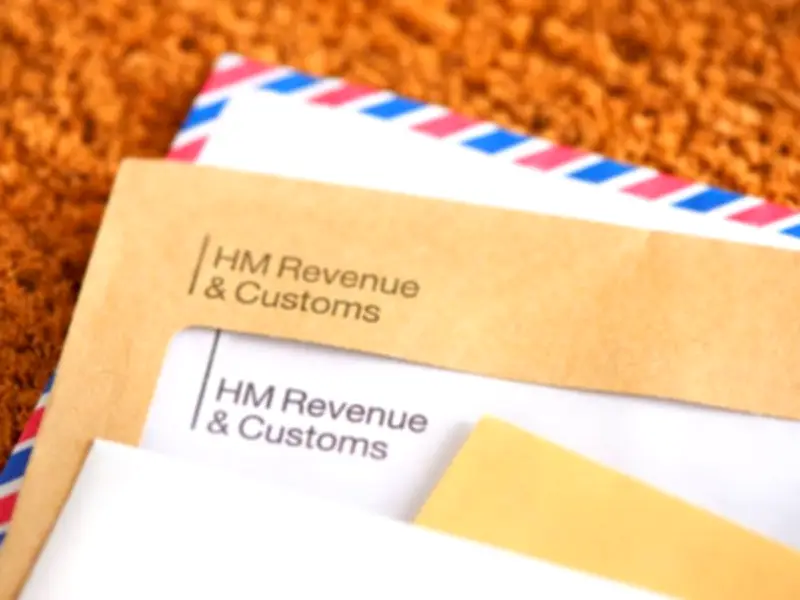
HMRC has confirmed it will issue Simple Assessment letters for the 2025 to 2026 tax year this summer, with some recipients facing demands for £3,000 or more. The letters, known officially as PA302, are sent to individuals who owe tax on income that has not been taxed through Pay As You Earn (PAYE) or Self Assessment.
The first batch of letters began reaching working-age customers on 30 June 2026, and pensioners will start receiving theirs from 12 August 2026. A second tranche, relating to Bank and Building Society Interest (BBSI) data, will be sent between October and December 2026.
Why are the letters being sent?
Simple Assessment letters are automatically generated when HMRC receives data from employers, the Department for Work and Pensions (DWP), and financial institutions confirming that tax is due. This is a routine annual process. The letters are issued when the tax cannot be collected through a tax code adjustment – for example, when the amount owed is larger, typically £3,000 or more.

Each letter sets out exactly how much tax is owed and why. Recipients are urged to check the figures against their own records and pay any tax owed by 31 January 2027, unless a different date is shown on the letter. Payments can be made in full or in instalments before the deadline, and no tax return is required.
Official warning: Don't ignore the letter
HMRC and the Labour Party government are encouraging recipients not to ignore the letters. Myrtle Lloyd, HMRC’s Chief Customer Officer, said: "If you receive a Simple Assessment letter and have tax to pay, please don’t ignore it. It is quick and easy to pay any tax owed via the HMRC app. If you need extra support, or want to find out more, search ‘Simple Assessment’ on GOV.UK."
HMRC will issue around 1.8 million Simple Assessment letters this year. The letters are part of an annual process to ensure that tax on income not covered by PAYE or Self Assessment is collected.
What should recipients do?
Recipients should carefully review the amount stated in the letter against their own records. If they believe the amount is incorrect, they should contact HMRC as soon as possible. Payment can be made through the HMRC app, online, or by other methods detailed in the letter.
For those who need extra support, HMRC advises searching ‘Simple Assessment’ on GOV.UK for guidance. The deadline for payment is 31 January 2027, unless a different date is shown on the letter.
This year’s letters are part of a broader effort by HMRC to streamline tax collection and reduce the tax gap. By using data from employers, DWP, and financial institutions, HMRC can automatically assess tax liabilities without requiring individuals to file a tax return.
Impact on taxpayers
For many, receiving a Simple Assessment letter can be unexpected, especially if they are not used to dealing with tax matters. However, HMRC stresses that the process is routine and that payment options are flexible. The letters are sent to those who have tax to pay on income that has not been taxed through PAYE or Self Assessment.
As the August batch goes out, pensioners are advised to be particularly vigilant, as they may be receiving letters for the first time. HMRC’s message is clear: don’t ignore the letter, and seek help if needed.