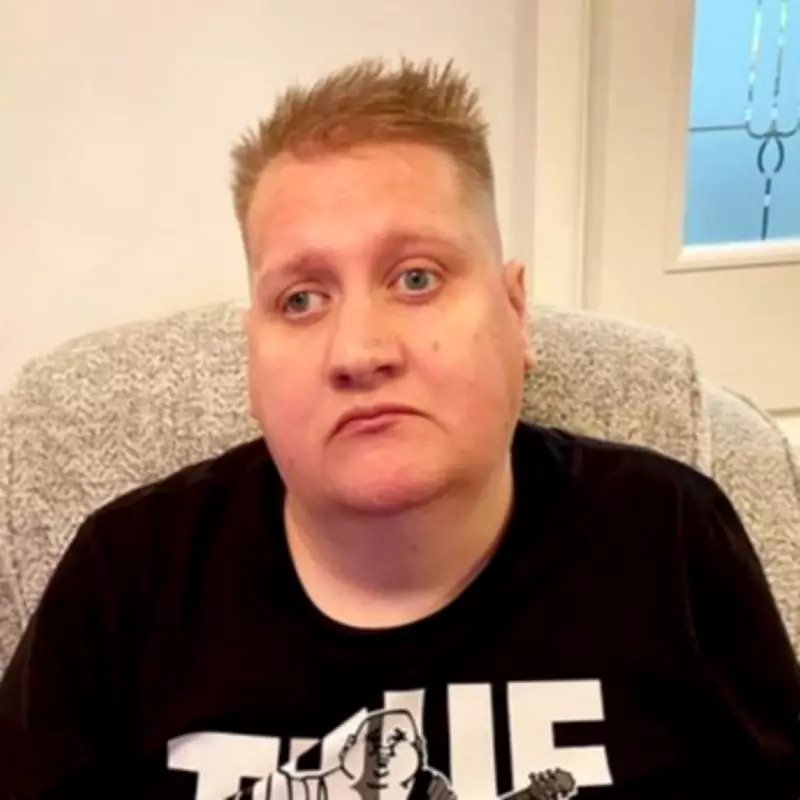
Patient Takes Legal Action Against NHS Following Eight-Year Chemotherapy Mistake
A brain tumour patient who was administered chemotherapy for eight years instead of the recommended six months is now pursuing legal action against the NHS, claiming the prolonged treatment has resulted in irreversible neurological harm. David Bown, a 41-year-old from Atherstone, was prescribed the drug temozolomide by University Hospitals Coventry and Warwickshire NHS Trust, with his lawyers asserting that the extended chemotherapy has left him with permanent brain damage.
From Active Life to Complete Dependence
David Bown, previously described as a "fit and active" IT systems manager and enthusiastic football coach, began experiencing seizures around ten years ago. Scans subsequently revealed a low-grade brain tumour, leading to an operation to remove the mass. However, critical failures in his post-operative care set off a chain of devastating events.
- An MRI scan was not performed within 48 hours after surgery, which would have identified life-threatening complications.
- When a scan was eventually conducted four days later, it showed bleeding and swelling of the brain, yet emergency surgery was not immediately arranged.
- David suffered a stroke, slipped into a coma, and was then rushed back into theatre for removal of a blood clot, insertion of a drain, and additional tumour resection.
Legal representatives argue that this delayed scanning and surgical intervention occurred too late to prevent irreversible brain damage.

Prolonged and Inappropriate Treatment
Following these initial failures, David was prescribed temozolomide chemotherapy. He remained on this medication for over eight years, far exceeding the six-month duration advised by clinical guidelines. Independent specialists have stated that this extended chemotherapy exposed him to unnecessary dangers, including heightened risks of developing secondary blood cancers.
The consequences have been life-altering. David now lives with substantial cognitive and visual disabilities, requiring daily assistance from his parents to manage his medication, prepare food, and attend medical appointments. He also suffers from depression, which his solicitors directly link to the years of gruelling treatment.
In his own words, David expressed his devastation: "I went from living a normal, active life – working, coaching kids' football, seeing my mates – to being completely dependent on my mum and dad for everything. I trusted the hospital to do what was best for me but looking back, I just can't understand why I was treated the way I was for so long. It has taken everything from me."
Broader Pattern of Alleged Systemic Failings
This case is not isolated. The legal firm representing David, Brabners, states it has uncovered evidence suggesting a wider pattern of harm at University Hospitals Coventry and Warwickshire NHS Trust. More than 30 patients are now pursuing legal action, with allegations pointing to "systematic" problems across multiple practice areas within the trust.
Fiona Tinsley, a partner at Brabners, commented: "What began as concerns about chemotherapy in Coventry now points to systemic failings across a number of practice areas in the trust, involving neuro-oncology clinicians, neurosurgeons, neuroradiologists, clinical nurse specialists and pharmacists. The human cost has been devastating."
She detailed the profound burden on patients, which includes:
- Physical, psychological, and financial harm.
- Loss of career, fertility, and quality of life.
- Increased risk of secondary cancers, with one patient developing secondary leukaemia requiring a stem cell transplant.
"These patients deserve answers, accountability and assurance that every lesson is being learned. This is in the public interest," Tinsley added.
NHS Trust Response
A representative for University Hospitals Coventry and Warwickshire NHS Trust stated: "We are committed to providing the safest possible care for our patients. As a legal claim is ongoing, we are unable to comment further at this stage."

The case highlights critical questions about patient safety, consent, surgical planning, and the oversight of long-term treatment regimens within the NHS, as affected individuals seek justice and systemic change.