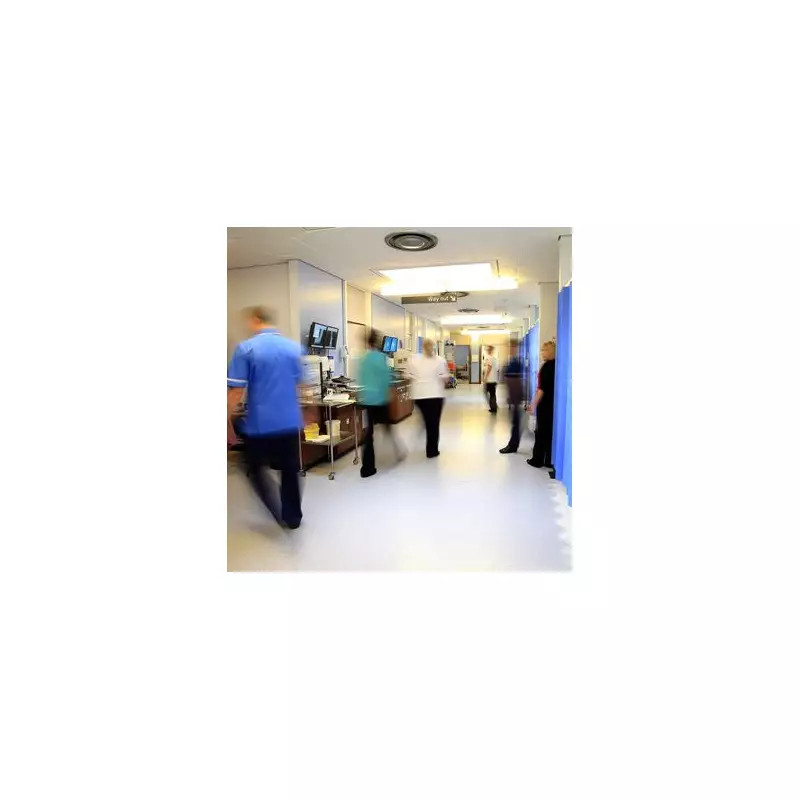
Pregnant Mother's Death at Midlands Hospital Ruled 'Complete Failure of Care'
A coroner has delivered a damning verdict following the death of a pregnant mother at a Midlands hospital, describing the circumstances as a 'complete failure of care'.
Dhananji Dona, a 33-year-old woman who was 15 weeks pregnant, tragically died from septic shock at Royal Stoke University Hospital in October 2024. An inquest has heard how multiple systemic failures contributed to her death, with her husband describing hours of waiting while his wife suffered severe symptoms.
Hours of Waiting Despite Critical Symptoms
Lasitha Arachige, Dhananji's husband, told the inquest how his wife began experiencing heavy bleeding and severe abdominal pain but waited for hours before receiving proper medical attention. 'We waited for hours without being seen,' he recalled. 'When I enquired about the delay, I was told it was a busy day and that we would be called soon.'

Despite being admitted to the hospital at 11.30am on October 1, 2024, Dhananji waited over two hours for an initial triage assessment - far exceeding the recommended 15-minute waiting time for pregnant patients. Even when she was eventually seen, critical opportunities to identify and treat her condition were missed.
Systemic Failures Identified in Investigation
Maternity investigator Louise Armitage was assigned to review the incident and identified eleven separate factors that contributed to Dhananji's death. Her investigation revealed:
- Failure to use sepsis assessment tools properly
- Non-compliance with observation requirements for pregnant women
- A three hour and 25 minute delay in sepsis treatment
- Failure to implement the modified obstetric warning score system
'We found that compliance with the sepsis screening tool was low,' Mrs Armitage stated. 'Thanks to pressures facing staff, the tool was not seen to be effective within the emergency department.'
Cultural Factors May Have Impacted Care
The investigation also highlighted how Dhananji's Sri Lankan background may have influenced her care. Mrs Armitage explained: 'We found the clinical knowledge of cultural differences, including of how people from different ethnic backgrounds may present, behave and appear when unwell may have impacted Dhananji's care.'
She added that staff perceived Dhananji as looking well despite her medical observations, potentially because 'within their culture they try to bear their pains as to not be a burden.' This perception may have affected how seriously her symptoms were taken.
Coroner's Verdict and Hospital Response
Coroner Emma Serrano concluded that Dhananji died from natural causes contributed to by neglect, stating unequivocally: 'My view is that this is a gross failure of care. It is a total and complete failure of care.'
The coroner emphasised that timely intervention could have saved Dhananji's life: 'She should have been assessed within 15 minutes and she was not. When she was assessed, sepsis was not recognised and the correct tools were not used.'
Gynaecologist Dr Gourab Misra, who oversaw Dhananji's surgery, accepted the investigation's findings, stating: 'It's more likely than not that if this lady was provided with more timely sepsis intervention, she would have survived.'
Action Plan and Implementation Concerns
The hospital has been issued with an eight-step action plan to improve care, including recommendations to:
- Improve triage waiting times
- Ensure sepsis screenings are performed correctly
- Implement the modified obstetric warning score system
However, concerns remain about implementation. Rebecca Fernyhough, professional lead for quality operations at the hospital, acknowledged that not all changes have been put into place, with the modified obstetric warning score system yet to be implemented in the emergency department.
Coroner Serrano expressed particular concern about this delay: 'My concern is that the modified obstetric warning score is not being implemented in the emergency department at the hospital. This is not compliant with national legislation.'

She announced she would issue a prevention of future deaths report, urging the hospital to implement the necessary systems to ensure pregnant patients receive appropriate and timely observation and treatment.