Grandmother Joins Pioneering Cancer Study
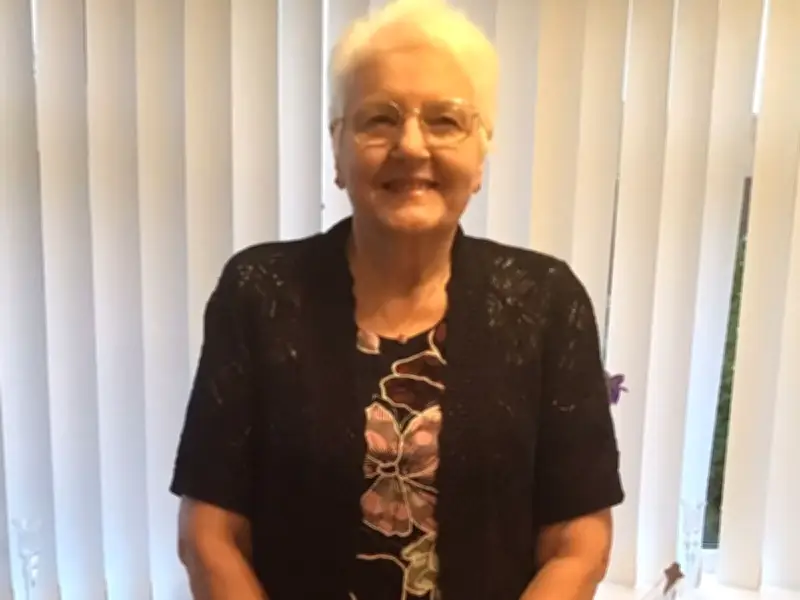
A grandmother from the Midlands has described her participation in groundbreaking cancer research at the University of Birmingham as a "gift for the future." Margaret Middleton, 72, a former teaching assistant from Swadlincote, Derbyshire, is contributing to studies aimed at improving treatment for bile duct cancer patients who experience severe side effects from immunotherapy.
From Breast Cancer to Bile Duct Diagnosis
Margaret, a wife, mother, and grandmother of twins, was first diagnosed with breast cancer in 2007 and treated with surgery and radiotherapy. Eighteen years later, she developed severe stomach pains, initially attributed to an aqua-aerobics class. When the pain became breath-taking, she visited A&E and was diagnosed with stage four terminal bile duct cancer. "It was a big shock. I'm a very practical person, so I just wanted to know what was next," she said.
Treatment Journey and Tumor Shrinkage
Margaret began immunotherapy in January after completing 16 sessions of chemotherapy. Since then, her tumours have shrunk. "I was scared of chemotherapy, but I went for it. I'm lucky that immunotherapy has been easier, but the hardest part is waiting for scan results every month or two," she explained. She credits her husband for his care, taking her to every appointment, and her loving family and friends for support. "If it's prolonging my life, then the smile on my granddaughters' faces is the only therapy I need."

Research on Immunotherapy Side Effects
Margaret is taking part in research at the University of Birmingham into how best to treat bile duct patients who suffer severe, sometimes fatal, side effects from targeted immunotherapy. Scientists are testing whether critical changes in the blood are linked to those who have side effects. With funding from Cancer Research UK, the team is expanding this work to study patients' blood before treatment starts. This could have major implications for all cancers where immunotherapy has mixed results.
Dr. Richard Phillips on the Research
Dr. Richard Phillips, who has just received a £10,000 Cancer Research UK grant for the work, said: "It's incredibly complex and we've only scratched the surface in truly understanding how these drugs work, but this approach could one day be game-changing and potentially applicable to other cancers we treat with immunotherapy." He added: "Bile duct cancer is extremely rare and aggressive, but we've built up what we think is one of the UK's biggest collections of samples from this rare cohort. We're also assembling a cohort of patients with primary liver cancer so we can compare results and see if we can apply our findings to other cancers."
Future Goals
Dr. Phillips hopes to one day develop drugs that could safely suppress the toxic immune response, making treatment safer for at-risk patients. Margaret, who has been giving regular blood samples, said: "I've been lucky to benefit from research in the past, so I don't mind being a guinea pig. By giving regular blood samples, I feel like I'm leaving a gift for the future. If something I do now can help people after I'm gone, then how amazing is that?"