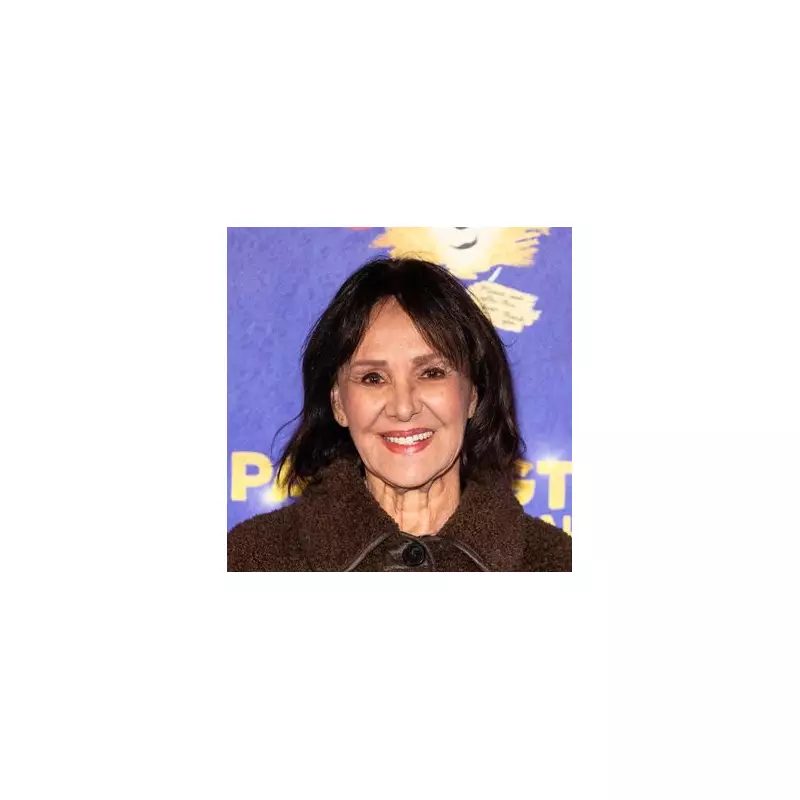
Dame Arlene Phillips, the celebrated Strictly Come Dancing judge and choreographer, has made a deeply personal declaration about her end-of-life wishes. The 82-year-old has stated she would choose to end her life at the Dignitas assisted dying clinic in Switzerland if she were ever diagnosed with Alzheimer's disease.
A decision shaped by personal heartbreak
Phillips's stance stems from the painful experience of watching her father, Abraham, battle Alzheimer's before his death in 2000 at the age of 89. In a candid interview with The Times Weekend supplement, the dancer reflected on her father's decline, which began when she was in her early 40s working on Andrew Lloyd Webber's Starlight Express.
"It's like watching a train going in a tunnel and by the time it gets out the other side it's completely transformed," she said, describing the disease's progression. She recalled the anguish of her father's lack of recognition, questioning where the loving parent she knew had gone, even as she helped to feed him to keep him alive.
"It would be my decision"
Arlene Phillips revealed that end-of-life choices are a frequent topic of conversation among her friends. "I think if I had Alzheimer's I'd like to go to Dignitas," she confessed. "So many people are against that, but it would be my decision. I don't ever want my daughters to go through what I went through."
She shared a poignant memory of her father, a former barber, who once told her his own wish for old age: "When I get old, I want to be like an animal, to walk into the forest, lie down and go to sleep." Phillips noted with sadness that he was denied this peaceful end.
Advocacy and ongoing work
Following her father's passing, Arlene Phillips became an ambassador for the Alzheimer's Society, using her platform to raise awareness. The iconic judge, who appeared on Strictly from 2004 until 2008, remains professionally active. She is currently working on choreography for Footballers Wives: The Musical.
Her comments contribute to the ongoing and deeply sensitive national debate in the UK around assisted dying and personal autonomy in the face of terminal illness.