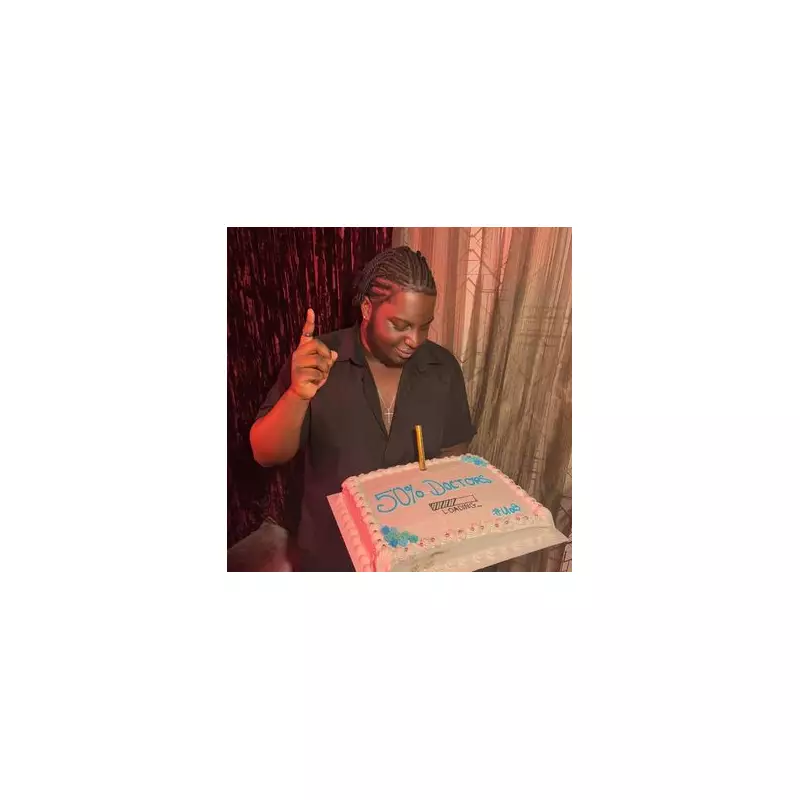
The University of Birmingham community has been left heartbroken following the tragic death of Phil Moyo, a 22-year-old medical student who took his own life just one day after receiving his exam results. The outpouring of love and tributes for the much-loved student highlights the profound impact he had on those around him.
A Bright Future Cut Short
Phil Moyo, a third-year medical student from Leicester, was described by friends and family as a "ray of sunshine" and an "incredibly charismatic" individual. His sudden death on Thursday, July 17 last year came as a devastating shock to all who knew him. An inquest later confirmed that he died from suicide, with no previous mental health concerns noted.
The Day Before the Tragedy
On Wednesday, July 16, Phil received an email notification about his exam resit results. The communication, marked by a bright yellow box with red writing, informed him that he had failed the resit by less than five percent and would be required to withdraw from his medical course. This news came as a crushing blow to the aspiring cardiovascular surgeon, who had been studying diligently while away from his family in Birmingham.
Close friend Kiah Wright, a fellow University of Birmingham medical student, shared insights into Phil's final days with permission from his family. "He saw everyone else enjoying their time and he's having to be in Birmingham, missing his family, away from home because he was revising every day," she explained. "Resits aren't nice."
Remembering Phil's Vibrant Spirit
Those who knew Phil remember him as a young man of exceptional character and talent. His mother's eulogy, read at his funeral which was attended by more than a hundred mourners, captured the depth of their loss: "His love, kindness, and maturity were a constant source of joy to us as parents. Phil's passing has left an indescribable void in my heart."
Kiah Wright added her own heartfelt memories: "He was so kind and put everybody else before himself. He was a very funny guy, he was good at everything - whether it was studying, medicine, making friends - he was an amazing singer and worshipper too. You couldn't be around him and not smile."
A Community in Mourning
The devastating news has prompted an outpouring of grief from Phil's family, friends, church community, and colleagues. Dozens have left condolence messages in an online memory book, with one person describing him as the "biggest ray of sunshine in my life." Another wrote: "His laugh, smile and energy were so infectious that you couldn't help but laugh with him."
Even those who had only brief encounters with Phil spoke highly of his character. One individual who met him just once during a work shift recalled: "He lit up a room, brought so much positivity into the building and was a joy to be around. His sense of humour and just smile brought happiness to so many people."
The Hidden Struggle
What makes Phil's death particularly heartbreaking is that none of his friends or family suspected he was struggling. Kiah Wright explained: "None of us had a clue. He kept it all to himself. Retrospectively, you think of conversations and wonder, 'was he trying to say something?'"
The medical students had developed a saying among themselves when facing academic pressures: "We won't come and die for this degree." Kiah clarified: "We didn't mean it literally, we meant we won't let it ruin our lives, or let it kill us through burn-out. When things were difficult, we'd say 'come on let's get some food or go see a concert, we've not come to die for this.'"
A Call for Support and Understanding
In the wake of this tragedy, Kiah Wright has shared important advice for others who may be struggling with their mental health or university pressures. She encourages students to reach out for support, including through organisations like Black Minds Matter which offers culturally appropriate mental health services.
"There's always options to talk to people about how you feel, there's no shame in accessing support," she emphasised. "There's no shame in feeling disappointed. I think talking about it and getting help is much better than not being here because there's a lot of people who he's left behind."
Reflecting on what might have made a difference, Kiah added: "I think he should have talked to someone, given himself another chance. He was always there for everyone else, he always had time for them. With Uni, I would say it's not the be all and end all, there's always something else you can do."
University Response
A spokesperson for the University of Birmingham expressed the institution's deep sorrow: "Staff and students at Birmingham were deeply saddened to learn of Phil's death. The loss of Phil from our community was and remains deeply felt, and our thoughts and sympathies are with his family and friends."
The tragedy has sparked important conversations about mental health support for students, particularly those facing academic pressures in demanding courses like medicine. As the university community continues to grieve, Phil Moyo is remembered not for how he died, but for how he lived - as a loving, charming, and funny young man who brought joy to everyone he encountered.