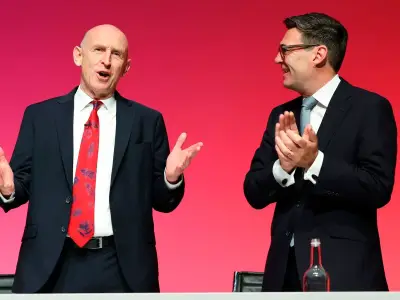
Andy Burnham's incoming Labour government has announced the reinstatement of the Winter Fuel Allowance for this winter, but with significant cuts for certain households. The payments, which were originally set at £300 for state pensioners born before 1946 and £200 for those born after 1946, will now be reduced to as little as £100 for some recipients.
Eligibility and Payment Reductions
Under the new rules, if you live with someone else who is eligible for the Winter Fuel Payment, your payment may be reduced if you receive Pension Credit, Universal Credit, or income-related Employment and Support Allowance (ESA). If you do not receive any of these benefits, and both you and the person you live with were born between 28 September 1946 and 27 June 1960, you will only receive £100.
Similarly, if you were born between 28 September 1946 and 27 June 1960 but the person you live with was born before 28 September 1946, you will get £100. Conversely, if you were born before 28 September 1946 and your housemate was born between those dates, you will receive £200. If both were born before 28 September 1946, the payment is £150.
Impact on Care Home Residents
For those living in care homes, the payments are also reduced. Residents born between 28 September 1946 and 27 June 1960 will receive £100, while those born before 28 September 1946 will get £150.
Political Context
Mr Burnham is set to become Prime Minister on Monday, succeeding Sir Keir Starmer. He has prioritised addressing the cost of living crisis. Former Labour minister Miatta Fahnbulleh told the BBC she expected people "at the bottom" would have "more money in their pockets" under a Burnham government. She added that any policy decision would be up to Burnham but emphasised the need to find ways to give people respite through financial support.
The Winter Fuel Payment is a key part of the Department for Work and Pensions' efforts to support pensioners' finances, keeping them safe and warm during the colder months. However, the cuts mean many households will receive significantly less than initially anticipated.