Pharmacist Issues Urgent Alert on Counterfeit Weight-Loss Treatments Ahead of Holiday Season
Hira Malik, a pharmacist and co-founder of Oushk Pharmacy, is raising serious concerns about a sharp and dangerous rise in counterfeit weight-loss treatments as holidaymakers rush to achieve a 'beach body ready' appearance. Malik warns that the seasonal demand for rapid results is pushing unsuspecting individuals toward unregulated and hazardous suppliers, creating significant health risks.
Exploiting Seasonal Urgency for Quick Fixes
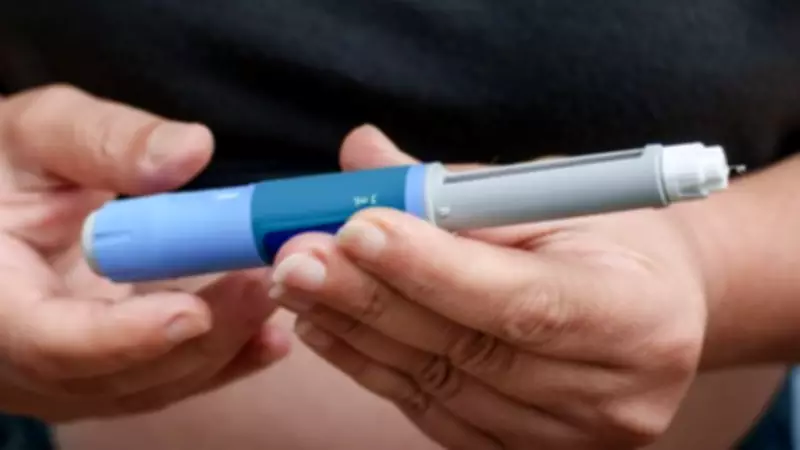
The sudden surge in demand for GLP-1 medications, which are used for weight management, has formed what Malik describes as a 'perfect storm' for scammers. These fraudsters are capitalizing on the urgency felt by people looking for fast solutions before summer holidays. Malik explains that while online platforms might seem convenient, many are bypassing essential safety protocols to sell illegal or fake injections. "Periods like the run-up to summer holidays drive urgency, which often means people are more vulnerable to falling for misleading claims or unsafe providers," she stated. She emphasizes that this desire for speed is precisely what black-market operators exploit to lure patients away from legitimate, regulated clinical care.
Key Red Flags of Counterfeit Care
According to Malik, there are several critical warning signs that patients should watch for to avoid counterfeit treatments. The first major red flag involves providers who promote messages like 'stronger is better' or advocate for rushed dosing schedules. "Legitimate GLP-1 treatment is slow by design," she said, stressing that safe prescribing requires a gradual increase in dosage to prevent severe side effects such as dehydration and vomiting. "A key red flag is any provider that promotes speed or strength as a benefit," Malik added. She warned that when higher doses are encouraged without proper regulatory oversight, it almost certainly indicates that crucial medical safety checks have been ignored.
Secondly, patients should be cautious of any service that neglects to discuss long-term maintenance or safe cessation of the medication. "GLP-1 medicines are effective while used, but do not cure obesity and often require long-term treatment," Malik clarified. She noted that stopping these medications suddenly can lead to rapid weight regain, highlighting the importance of professional guidance throughout the treatment process.
Identifying Unsafe Products and Ensuring Safety
The final warning sign involves 'friction-free' access and products that cannot be verified through official channels. Malik pointed out that unsealed packaging, re-labelled pens, or tablets lacking clear regulatory status are significant indicators of potential health risks. "When products are being offered with no meaningful safeguards, there's no way to verify the dose, the ingredients, or even whether the medication is real," she warned. Genuine medical care must include full traceability and constant professional oversight to ensure patient safety throughout their treatment journey.
Ultimately, Malik urges anyone seeking weight-loss support to stay well-informed and avoid succumbing to pressure from seasonal timelines. "Having a clear understanding of what safe, regulated, and realistic GLP-1 care looks like allows people to approach treatment thoughtfully," she concluded. By recognizing these red flags and prioritizing safety over speed, individuals can protect themselves from the dangers of counterfeit medications and make healthier choices for their well-being.