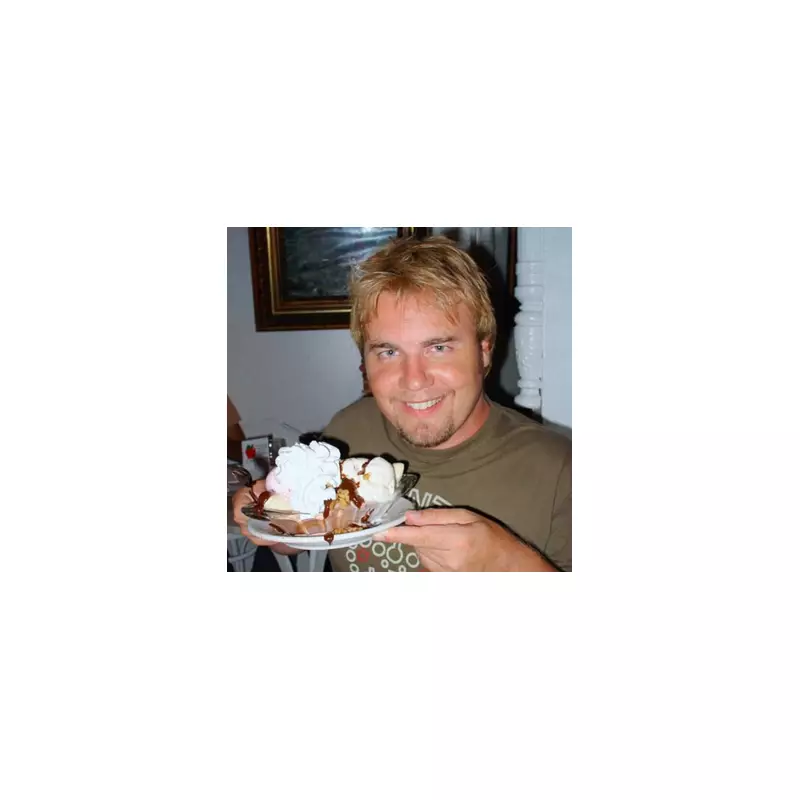
Gary Barlow has opened up about a deeply challenging period in his life, sharing photographs that show him at a weight of 17 stone, a transformation so significant he became virtually unrecognisable. The Take That singer, now 55, detailed how he retreated from public life entirely for more than a year following the band's initial split in the 1990s.
A Deliberate Retreat from Fame
In the band's new Netflix documentary, Barlow confessed that his substantial weight gain was, in part, a conscious effort. He described seeking a return to the anonymity he had known before fame, finding it impossible to walk down a street without being mistaken for his former bandmate, Robbie Williams. "The more weight I put on the less people would recognise me," Barlow explained. "I thought 'This is good, this is what I've been waiting for, living a normal life.'"
The Descent into Bulimia
This quest for normality spiralled into a serious eating disorder. Barlow revealed he developed bulimia, describing cycles of binge eating followed by purging. "I would have these nights where I'd eat and eat and eat, but however I felt about myself, I felt ten times worse the day after," he shared. He recounted the isolating and repetitive nature of the disorder, questioning if this painful cycle would define his future.
The Long Road to Recovery
The singer admitted it took him approximately a decade to regain his health and sense of self. His story highlights the severe mental health struggles that can accompany life in the spotlight and the profound impact of major career shifts.
Understanding Bulimia: A Serious Condition
Bulimia nervosa is a serious eating disorder and mental health condition. The NHS outlines that the main signs involve a cycle of binge eating—losing control over food intake in a short period—followed by purging behaviours. These can include making oneself sick, using laxatives, fasting, or excessive exercise.
Other indicators of bulimia may include:
- An intense fear of weight gain and a critical obsession with body shape.
- Significant mood changes, including anxiety, tension, or depression.
- Secretive behaviour around eating and feelings of guilt or shame.
- Avoiding social situations that involve food.
Physical symptoms can also manifest, such as:
- Persistent fatigue and sleep problems.
- Feelings of weakness or dizziness.
- A sore throat, bloating, or stomach pain.
- Swollen glands in the face and neck.
- For women, irregular or absent menstrual periods.
Barlow's candid disclosure serves as a powerful reminder of the hidden battles many face. The NHS strongly advises anyone recognising these symptoms in themselves or others to seek professional help by contacting a GP.