NHS Issues Alert on Ibuprofen as Potential Psoriasis Trigger
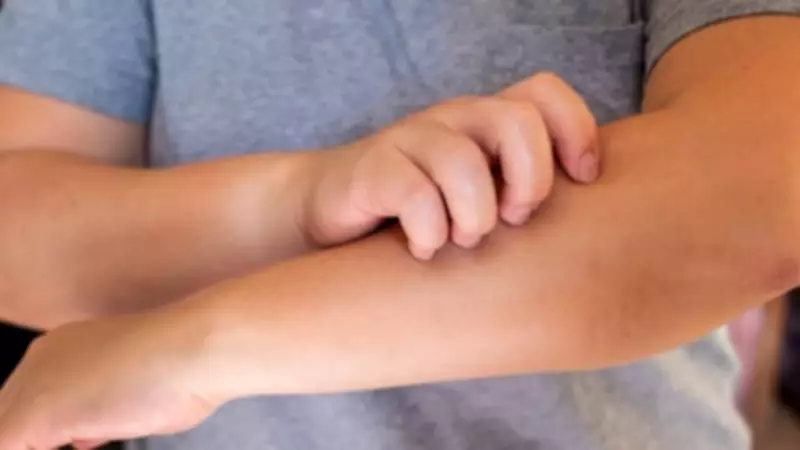
If you have been experiencing persistent itching recently, you might want to reconsider reaching for that common painkiller in your medicine cabinet. The National Health Service has issued a warning that ibuprofen, a widely used anti-inflammatory drug, can act as a hidden trigger for psoriasis, a skin condition that impacts millions of individuals across the United Kingdom.
Understanding Psoriasis and Its Symptoms
Medical professionals clarify that ibuprofen is a known 'psoriasis trigger,' often leading to the characteristic itching and irritation associated with this ailment. Psoriasis is not contagious, but it causes distinct dry, flaky patches that can emerge anywhere on the body. Recognising early warning signs is crucial, as symptoms vary significantly between people.
According to the Mayo Clinic, psoriasis manifests in several different forms, rather than being a one-size-fits-all condition. While celebrities like Kim Kardashian and Cara Delevingne have publicly discussed their battles with psoriasis, it affects approximately two in every 100 people in the UK.
Common symptoms to watch for include:
- Red patches of skin covered with thick, silvery scales
- Small scaling spots, frequently observed in children
- Dry, cracked skin that may bleed or itch intensely
- Burning sensations or soreness in affected areas
- Thickened, pitted, or ridged nails
The NHS reports that psoriasis can develop at any age, but it most commonly appears in adults between 20 and 30 years old and again between 50 and 60 years old. It affects men and women equally.
Why Ibuprofen Matters as a Trigger
While many individuals use ibuprofen for headaches or muscle pain, it is officially classified as a potential trigger that can exacerbate psoriasis symptoms significantly. The NHS explains: "Many people's psoriasis symptoms start or get worse because of a certain event, called a trigger. Knowing your triggers may help you avoid a flare-up."
Other common factors that might provoke skin reactions include:
- Skin injuries: Such as cuts, scrapes, or severe sunburn
- Stress: High levels of anxiety are a major contributor to flare-ups
- Infections: Particularly throat infections or skin issues
- Alcohol and smoking: Both can reduce the effectiveness of treatments
Different Types of Psoriasis
Specialists at the Mayo Clinic have categorised psoriasis into several forms, each with unique characteristics. Plaque psoriasis is the most frequent type, causing dry, raised skin sores. Guttate psoriasis usually affects younger individuals and is often triggered by bacterial infections.
When to Visit Your GP
If you suspect that changes in your skin are linked to psoriasis, scheduling an appointment with your doctor is a sensible first step. This is especially important if the patches become painful, cause significant distress about your appearance, or do not improve with over-the-counter creams.
The NHS states: "There's no cure for psoriasis, but a range of treatments can improve symptoms and the appearance of skin patches. Your doctor will ask you about how much the condition is affecting your everyday life."
In most cases, the initial treatment will be a topical application, such as vitamin D analogues or topical corticosteroids. These topical treatments are creams and ointments applied directly to the skin.