Midlands Mother Receives PTSD Diagnosis Following Personal Health Struggles
A mother from the Midlands has revealed she was diagnosed with post-traumatic stress disorder after surviving cancer and then facing her young son's serious illness. Jo Kelly, now 40 years old, initially believed she was suffering from general anxiety but discovered through therapy that she had been living with undiagnosed PTSD for years.
Surviving Cancer Against All Odds
Jo Kelly, a data engineer from Solihull, was just 22 years old when doctors told her she had cancer and gave her only months to live unless a matching stem cell donor could be found. Against significant odds, a suitable match was identified, allowing her to undergo lifesaving surgery that pulled her through the devastating diagnosis.
Son's Illness and the Breaking Point
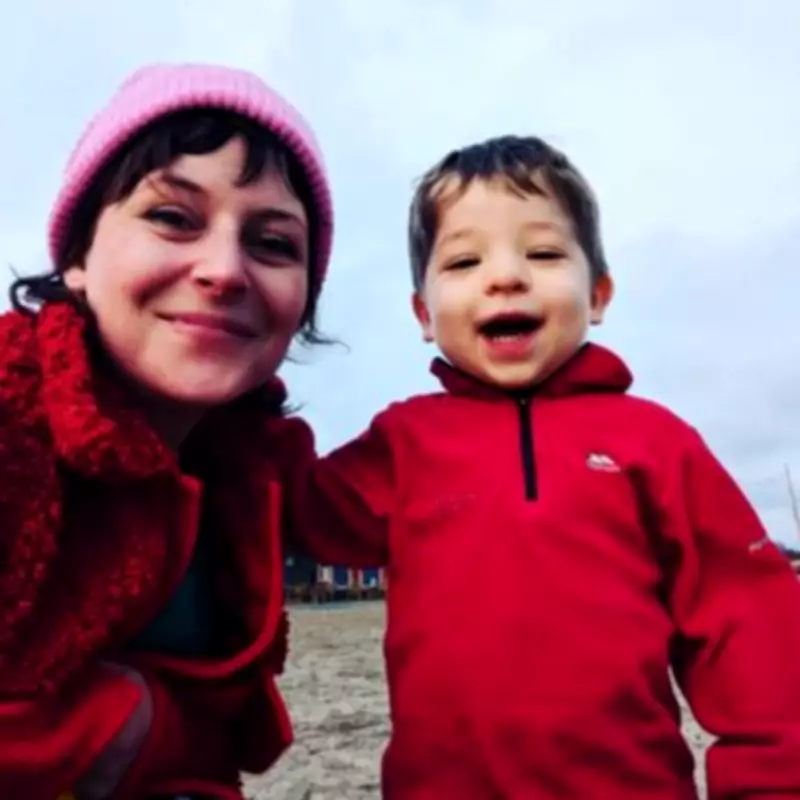
Several years after her recovery, Jo's son Dylan was born with a rare genetic condition that requires frequent hospital visits and medical procedures. Despite trying to remain strong for her family, a health visitor noticed Jo was showing signs of extreme stress and recommended she seek help through NHS talking therapies.
"I tried for a long time to stay strong," Jo explained. "I thought I was just anxious, but I was carrying years of unresolved trauma that I had never processed. I never thought PTSD could happen to me, but it can affect anyone, as life is so unpredictable."
Therapy That Changed Everything
Through her therapy sessions, Jo began eye movement desensitisation and reprocessing therapy, which fundamentally changed how she approaches life. She learned to process her unresolved traumatic memories, develop effective coping mechanisms, and finally understand her emotional reactions to stressful situations.
The transformation became particularly evident when her son underwent a procedure requiring general anaesthetic. For the first time, Jo felt calm and able to support him without spiralling into anxiety.
Life After Therapy
Jo completed her therapy approximately one year ago and has experienced dramatic improvements in her quality of life. Her sleep has improved significantly, she no longer wakes exhausted from trauma-filled dreams, and she feels more present in her daily activities.
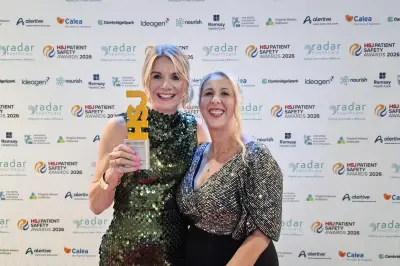
Remarkably, Jo has channeled her renewed energy into athletic pursuits, becoming an avid cyclist who has achieved gold medals in Time Trial and Team Triathlon for Team GB at the World Transplant Games.
"Therapy has been unbelievable and changed my life," Jo said. "I sleep better, worry less, and I finally feel present in my life again. If you feel like you need help, you do. Put your hand up and self-refer to NHS Talking Therapies as early as you can. I wish I had done it sooner. Time is so precious."
NHS Mental Health Campaign Launch
Jo shared her story as the NHS launched a major new campaign urging people to self-refer for mental health support. Health officials estimate that approximately one in five adults in England, representing about 9.4 million people, are affected by common mental health conditions.
Dr Adrian James, NHS England's national medical director for mental health and neurodiversity, emphasized the importance of the initiative: "While it's encouraging thousands more people facing mental health conditions are accessing NHS support than before the pandemic, we know millions more could benefit from vital NHS Talking Therapies."
"This landmark new campaign is a critical step to ensuring everyone struggling with challenging but very common conditions like anxiety and PTSD knows there is support available to help them get on with their lives," Dr James added.
Accessing Support Services
NHS talking therapies provide practical skills and techniques to overcome various mental health conditions including:
- Obsessive-compulsive disorder (OCD)
- Social anxiety disorder
- Post-traumatic stress disorder (PTSD)
- Panic disorder
- Body dysmorphic disorder
- Phobias
Anyone can self-refer online without needing to first consult their GP or have a previously diagnosed mental health condition. The NHS encourages those experiencing six common anxiety conditions to seek help through their dedicated online portal.
Dr James concluded: "Through proven treatment and support available for free on the NHS, these conditions can be overcome to help people return to work, regain confidence or feel back to their old selves in social situations. Our message is clear, if you're struggling with your mental health, NHS Talking Therapies are here for you, and you can either self-refer or speak with your local GP practice."