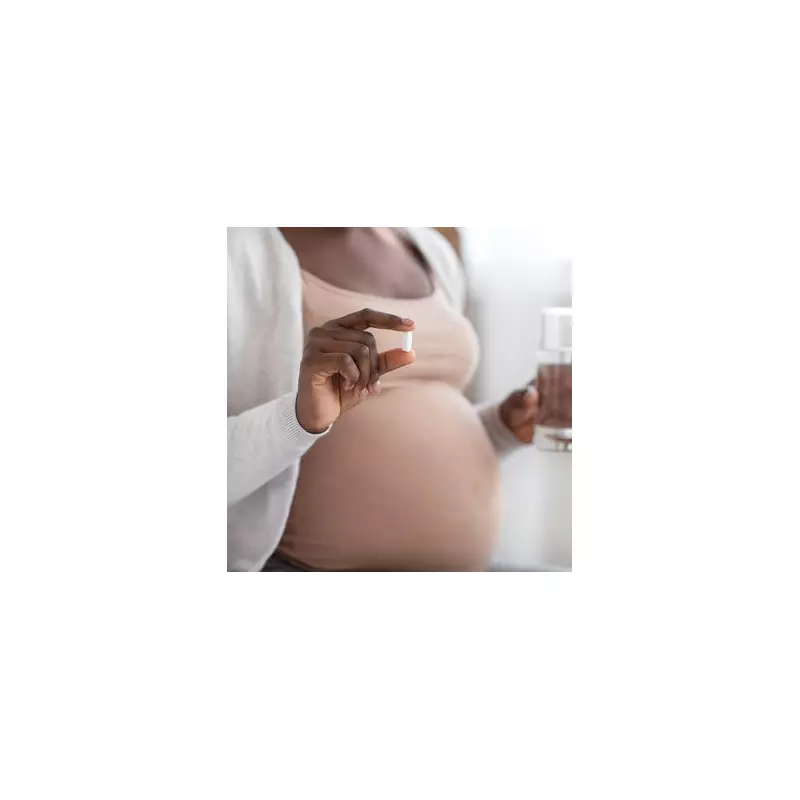
The National Health Service has issued vital guidance for anyone who is pregnant or attempting to conceive, recommending two key supplements for a healthy pregnancy.
Essential Supplements for Early Pregnancy
The NHS advises taking a 400 microgram folic acid supplement daily. This should be started before you become pregnant and continued until you are 12 weeks into your pregnancy. This crucial step helps reduce the risk of neural tube defects in the baby's development, such as spina bifida.
If you discover you are pregnant and haven't been taking folic acid, the NHS recommends you start immediately. While a balanced diet is important, it is difficult to get enough folate (the natural form of folic acid) from food alone.
In addition to folic acid, the health service recommends a daily 10 microgram vitamin D supplement, particularly from September to March when sunlight is insufficient for the body to produce enough.
Who Needs a Higher Folic Acid Dose?
Some individuals may require a higher prescription dose of folic acid (5 milligrams). You should speak to a GP if you have a higher chance of your pregnancy being affected by a neural tube defect. This includes if:
- You or the baby's biological father have a neural tube defect or a family history of one.
- You have had a previous pregnancy affected by a neural tube defect.
- You have diabetes.
- You take anti-epilepsy or anti-retroviral medicine for HIV.
A GP can prescribe the higher dose and may recommend additional screening tests.
Important Warnings and Free Vitamin Schemes
The NHS strongly warns against taking supplements that contain vitamin A (retinol) or cod liver oil during pregnancy, as too much vitamin A can harm the baby. Always check supplement labels carefully.
Supplements can be bought from chemists and supermarkets. However, if you qualify for the Healthy Start scheme—available to those on certain benefits or pregnant and under 18—you can get free vitamins. The scheme provides a card to buy milk, infant formula, fruit, and vegetables. Even if you don't qualify, some local NHS organisations offer vitamins at a reduced cost or for free; ask your midwife for details.