Rust on bathroom radiators is a common issue in many homes, with experts warning that constant exposure to moisture and temperature changes can gradually wear away protective coatings. Bathrooms are among the dampest rooms in the home, and over time, this environment can cause rust to form on metal fixtures. Even chrome models, which are designed to resist corrosion, are not completely immune. Once the protective layer begins to degrade, moisture can get underneath the surface, allowing rust to develop and eventually appear through the finish. However, specialists say the problem can often be dealt with more quickly and easily than many homeowners expect - and it does not require traditional remedies such as vinegar.
Understanding the cause of rust
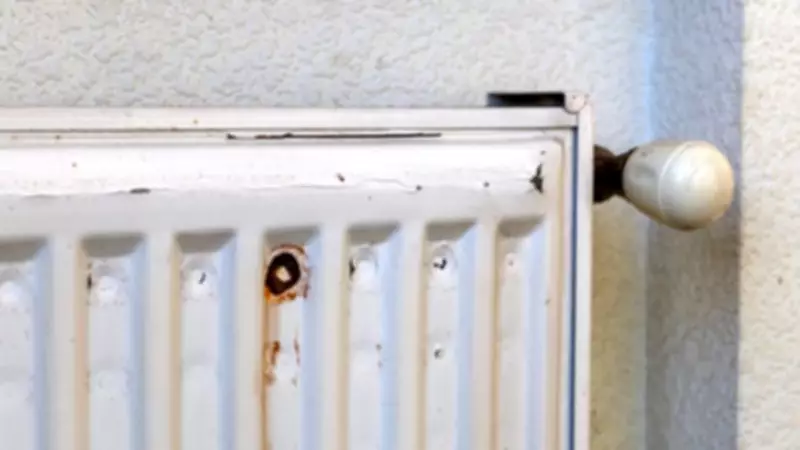
Expert James Chapman said the issue usually starts when the chrome coating weakens over time. He explained: "Bathroom radiators are typically made out of steel and plated with chrome to help stop them rusting. But with them getting hot and cold, hot and cold, and sitting in a damp atmosphere, after a while, the chrome can start to break down slightly and moisture gets underneath. Then the metal underneath rusts, and the rust comes up through the tiny little holes and blooms on the top."
Effective cleaning method
To tackle the problem, Chapman, who is also the director at Bella Bathrooms, recommends using a limescale spray combined with a stainless steel scourer. "Rust is basically iron oxide and acids will break it down and stop it being rust. So get your scourer and limescale spray, spray the radiator which will start to kill the rust, and then give it a really good scrub," he said. However, this method should be used carefully. Scourers are highly abrasive and can easily scratch chrome or painted finishes. If rust is thick or 'pitted' - meaning it has eaten into the metal - a scourer might be your only choice and some abrasion may be unavoidable. To reduce the risk of damage, experts advise always using a wet scourer rather than a dry one and pairing it with limescale remover or soapy water to help it glide more easily over the surface. Light pressure is also key, with specialists warning against aggressive scrubbing. The acidic cleaner helps to break down rust, while the scourer lifts it from the surface. Once cleaned, the radiator should be thoroughly wiped down.

Preventing future rust
Chapman said: "Once wiped down the rust should be gone and you will be left with tiny little black specks on it, they are the holes in the chrome." These small marks indicate damage to the protective coating, meaning rust is likely to return if the surface is left untreated. To slow this process, he recommends an extra step once the radiator is completely dry. "Because those holes are still there, it will come back. So after cleaning, make sure your radiator is on because it needs to be bone dry, then spray it with clear lacquer spray. That will slow it down, or you can also use a waxy polish just to block off those little holes."
Gentler alternatives
For lighter rust, some DIY enthusiasts also suggest a gentler alternative using kitchen foil. Scrunched-up aluminium foil dipped in water - or mild acids such as white vinegar - can be rubbed over the affected area. Because aluminium is softer than steel or chrome, it can help lift rust through a mild chemical reaction without scratching the surface. Experts say regular maintenance is key, with homeowners encouraged to repeat the process as soon as rust begins to reappear to keep radiators in good condition.