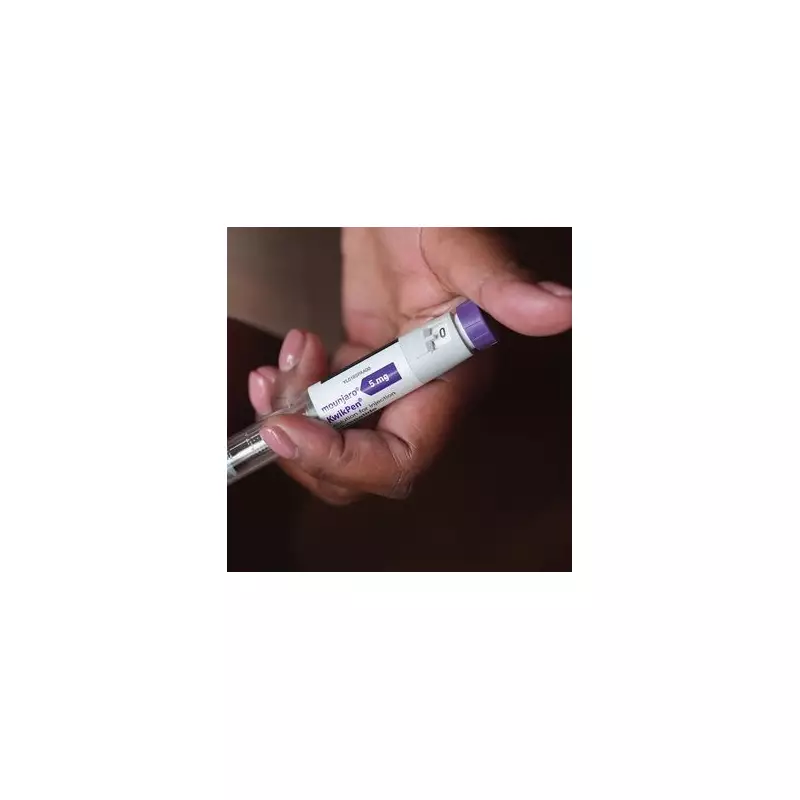
Medical experts are issuing urgent warnings about a potentially dangerous side effect facing users of popular GLP-1 weight loss injections. While these medications effectively suppress appetite, they do not diminish the body's fundamental requirement for essential nutrients, creating a nutritional blind spot that could have serious health consequences.
The Hidden Danger of Appetite Suppression
As prescription rates for GLP-1 medications continue to surge across the United Kingdom, dietitians are highlighting a critical oversight that could undermine both short-term results and long-term health. The very mechanism that makes these injections effective – dramatic appetite reduction – simultaneously creates a nutritional vulnerability that many users may not anticipate.
Registered dietitian Jo Travers BSc RD MBDA, who has partnered with Iceland Foods to examine the nutritional implications of weight-loss medications, explains the physiological reality: "When people eat very little protein while using GLP-1 medications, the body can enter a catabolic state. This means it doesn't have enough amino acids to function properly, so it starts breaking down lean muscle tissue to survive."

Protein Deficiency Triggers Body Breakdown
The consequences of inadequate protein intake while using appetite-suppressing medications extend far beyond simple hunger management. Protein serves as the fundamental building block for numerous bodily systems, including muscle maintenance, hormone production, enzyme function, and immune response. When this crucial macronutrient becomes scarce, the body begins cannibalising its own resources.
According to Travers, insufficient protein consumption while taking GLP-1 injections can initiate a cascade of negative health outcomes:
- Significant loss of muscle mass and strength
- Reduced metabolic rate, making future weight management more challenging
- Increased fatigue and reduced energy levels
- Impaired blood sugar regulation
- Greater vulnerability to weight regain after medication cessation
"The weight loss injection may shift the number on the scales," Travers cautions, "but we want to make sure this is coming from excess fat and not important muscle. Without enough protein, weight loss may end up coming from muscle rather than fat, that makes people weaker, more tired and more vulnerable to regaining weight once they stop the medication."
Industry Response to Nutritional Gap
Recognising this emerging nutritional challenge, Iceland Foods has launched a specialised range of frozen meals specifically designed for GLP-1 medication users. The retailer's new Myprotein collection features 23 protein-rich, calorie-controlled options aimed at helping consumers maintain adequate nutrition despite reduced portion sizes.
An Iceland Foods spokesperson explained the initiative: "With weight-loss medications changing eating habits, the risk is that vital nutrients like protein get left behind. That's why we're focusing on protein-packed meals that help customers get the nutrition they need from smaller portions, supporting muscle strength, energy and everyday health while they work towards their weight-loss goals."
The meals are specifically engineered to deliver concentrated nutrition in reduced portions, addressing the dual challenge of appetite suppression and nutritional adequacy that GLP-1 users face.
Broader Implications for Weight Management
This revelation highlights a crucial consideration in the rapidly expanding field of pharmaceutical weight management. While GLP-1 injections represent a significant advancement in obesity treatment, their effectiveness depends on complementary nutritional strategies that many users and even some healthcare providers may overlook.
The emerging consensus among nutrition professionals suggests that successful long-term weight management with GLP-1 medications requires:

- Conscious attention to protein intake despite reduced appetite
- Regular monitoring of muscle mass alongside weight measurements
- Integration of resistance training to preserve lean tissue
- Professional nutritional guidance tailored to medication use
As the UK's weight-loss medication market continues to expand, this nutritional awareness becomes increasingly critical for ensuring that short-term weight loss doesn't come at the expense of long-term metabolic health and physical function.