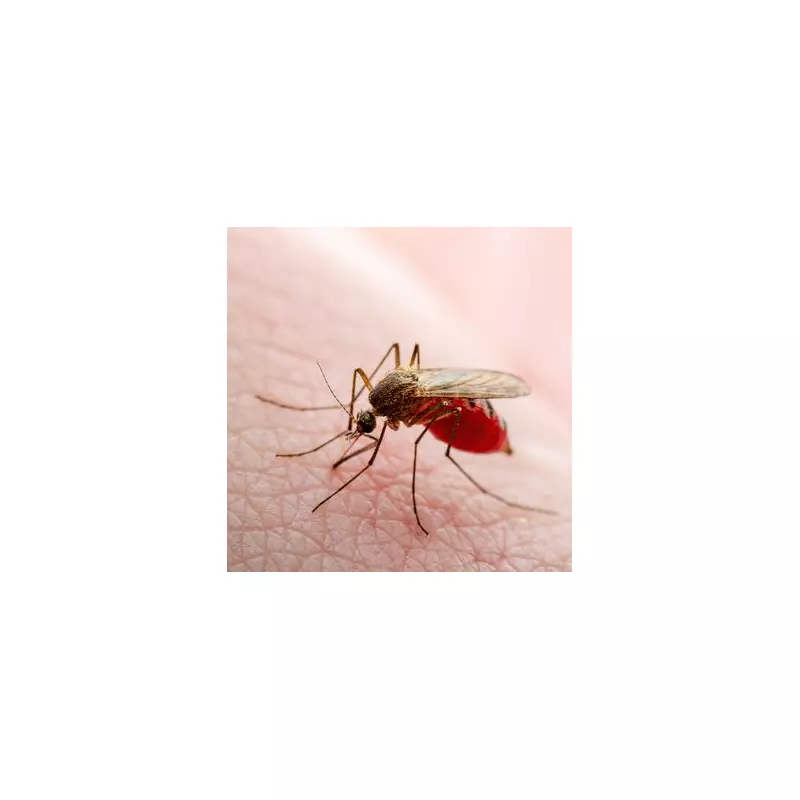
UK Health Security Agency Issues Urgent Warning Over Mosquito-Borne Virus
The UK Health Security Agency (UKHSA) has issued a critical alert concerning chikungunya, a viral infection transmitted by mosquitoes. This warning is specifically aimed at British travellers returning from long-haul holiday destinations, including popular spots such as Thailand, Brazil, and India.
Significant Surge in Reported Cases Across the UK
Confirmed and probable cases of chikungunya among travellers returning to England, Wales, and Northern Ireland reached 112 in 2024. This figure represents a dramatic increase of nearly 150% compared to the number of cases reported in the previous year, highlighting a growing public health concern.
Identifying the Core Symptoms of Chikungunya Infection
The infection typically begins with a high fever and excruciating joint pain, which can be debilitating. Other common symptoms reported by patients include:
- Muscle aches and general fatigue
- Persistent headaches and sensitivity to light
- Distinctive skin rashes that may appear several days after onset
Risk of Long-Term Health Complications and Pain
While most patients recover within one to two weeks, joint discomfort can persist for much longer periods. Approximately 12% of those infected still experience significant pain three years after initially contracting the virus, impacting daily life and mobility.
Understanding the Mosquito Carriers and Their Habits
The chikungunya virus is spread by Aedes mosquitoes, which are most active during daylight hours, particularly at dawn and dusk. Unlike malaria-carrying mosquitoes, these species thrive in urban environments and often bite indoors, increasing exposure risk for travellers in accommodation settings.
Breeding Grounds and Essential Prevention Strategies
These mosquitoes breed in stagnant water found in common items such as gutters, plant pots, and discarded tyres. Travellers are strongly advised to:
- Avoid areas with standing water where mosquitoes may proliferate
- Utilise hotel room safeguards like window screens and air conditioning
- Apply insect repellents containing DEET or picaridin regularly
- Wear loose, light-coloured clothing that covers arms and legs
Vulnerable Groups and Potential Serious Complications
Serious complications affecting the heart, eyes, and nervous system occur in about one in every 1,000 cases. New-borns, older adults, and individuals with pre-existing medical conditions are at a higher risk for these severe outcomes, necessitating extra precautions.
Since there is no specific antiviral treatment for chikungunya, prevention through bite avoidance remains paramount. The UKHSA emphasises that awareness and protective measures are crucial for travellers visiting affected regions to mitigate this rising health threat.