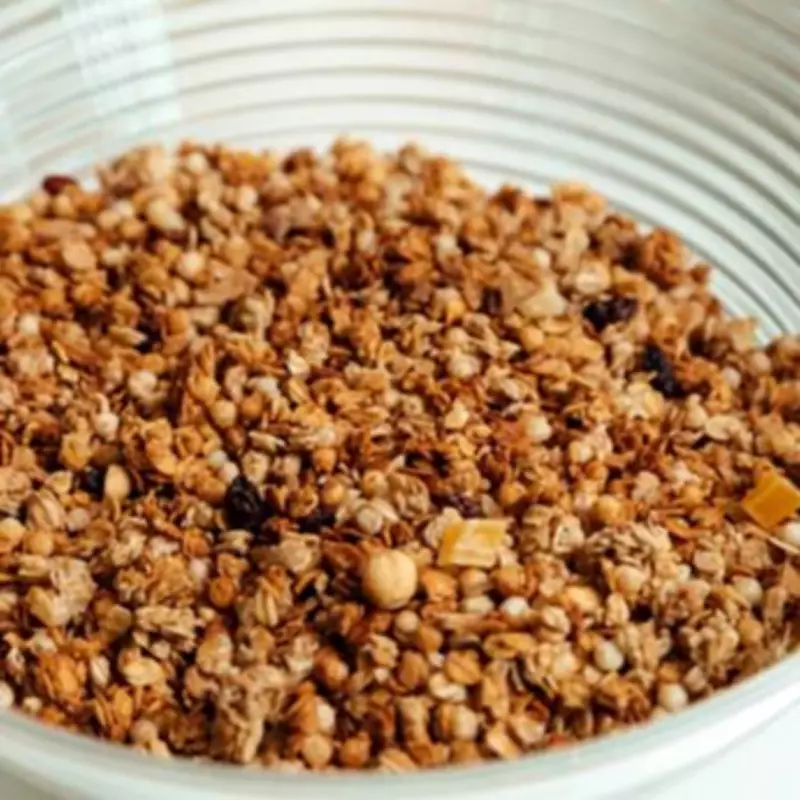
Consumer Watchdog Issues Muesli Health Warning for UK Households
A significant health alert has been issued by consumer champions to UK households with boxes of muesli stored in kitchen cupboards. Which? has conducted extensive research revealing that several popular branded mueslis contain alarming levels of sugar and saturated fat, matching those found in Nestlé's chocolate and wafer KitKat cereal.
Analysis of 86 Muesli Brands Reveals Concerning Findings
The comprehensive analysis examined 86 different muesli brands, scoring each out of 100 points based on nutritional value. The investigation discovered that some muesli products are exceptionally high in sugar and calories, potentially offering no greater health benefits than the sugary KitKat breakfast cereal. Shockingly, one muesli product scored just 46 out of 100, only 10 points higher than the Nestlé KitKat cereal.
Four products received scores of 62 or below, which represents the threshold for classification as unhealthy. The worst-performing mueslis identified in the study included:
- Raw Gorilla Keto Mighty Muesli
- Eat Natural Gluten-free Buckwheat
- Nestle KitKat breakfast cereal
- Mornflake Classic Fruit & Nut
- Waitrose Essential No Added Sugar
Misleading Packaging Claims Identified
The research also uncovered concerning packaging practices that may mislead consumers. Some muesli products feature "no added sugar" claims while containing substantial quantities of dried fruit, resulting in sugar content equivalent to four teaspoons per 100g serving. This discrepancy between marketing claims and actual nutritional content could potentially trip up health-conscious shoppers seeking genuinely healthy breakfast options.
Nutritionist Provides Balanced Perspective
Shefalee Loth, a Which? nutritionist, offered a nuanced view of the findings: "Muesli remains a solid option for a balanced breakfast, thanks to its combination of convenience and fibre. However, not all blends are created equal. Expensive price tags, premium branding, and wellness buzzwords don't guarantee nutritional value. In fact, the healthiest options are often the simplest and the cheapest, so it's worth reading the small print if you are worried about sugar or saturated fat."
The majority of muesli products—52 out of the 86 examined—scored between 74 and 78 points, indicating that muesli generally remains a healthy breakfast category overall. Six products achieved particularly high scores of 80 out of 100, demonstrating that nutritious options do exist within the market.
Manufacturer Responses to Findings
A spokesperson for Mornflake defended their product range: "Mornflake produces a wide range of breakfast cereals to offer choice for different consumers. The product reviewed is one of only a small number classified as high in fat, salt and sugar, but it contains no added sugar and is high in fibre. We provide clear ingredient and nutritional information, including front-of-pack labelling, so shoppers can make informed choices."
RawGorilla responded with a critique of the assessment methodology: "Comparing a specialist keto product to sugary ultra-processed cereals highlights the limits of the NPM method, a 'one-size-fits-all' mathematical model. While the system penalises the natural energy density and the fat content of our seeds and nuts, it ignores the vital difference between unprocessed whole foods and ultra-processed products. Unlike refined cereals, which cause a quick sugar spike, our ingredients provide slow-release energy."
The company urged consumers to look beyond numerical scores and examine ingredient lists carefully, emphasizing that genuine health considerations should focus on food quality rather than calorie counts alone.