The UK Health Security Agency (UKHSA) has escalated its public health warnings, issuing a nationwide alert as laboratory-confirmed cases of norovirus show a dramatic 47% increase in the first two weeks of January 2026 compared to late December. This significant surge has prompted urgent calls for heightened public awareness and strict adherence to hygiene and isolation protocols to curb the spread of this highly contagious stomach bug.
Sharp Rise in Norovirus Activity
Official data reveals that norovirus activity across the United Kingdom has risen sharply, with a 47% jump recorded in early January. While the overall number of outbreaks remains within typical seasonal parameters, health authorities have noted a concerning increase in hospital-based incidents. The UKHSA has described the virus as 'unpleasant for everyone' and is emphasising the critical need for community-wide vigilance during this peak period for winter illnesses.
Six Key Symptoms to Recognise
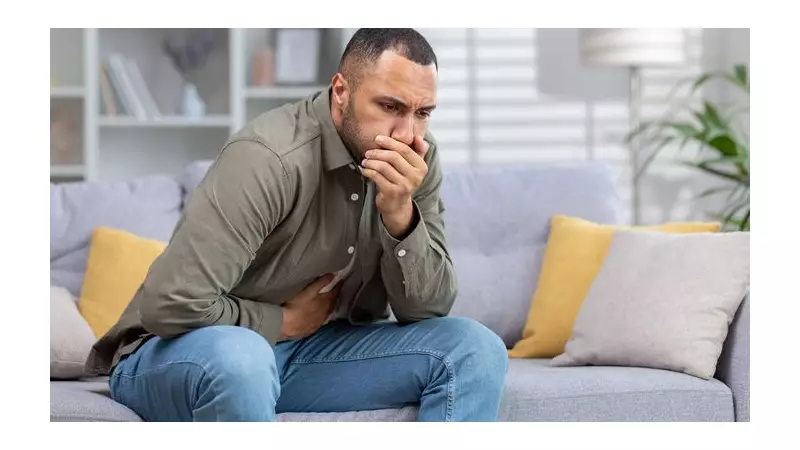
The agency has clearly outlined the six primary symptoms associated with a norovirus infection. The public is advised to be alert for:
- Feeling sick (nausea)
- Diarrhoea
- Vomiting
- High temperature or fever
- Headache
- Aching arms and legs
Experiencing any combination of these symptoms is a strong indicator of the illness, which commonly affects adults, children, and babies.
The Critical 48-Hour Rule
Central to the new guidance is the reinforced '48-hour rule'. Individuals displaying symptoms are being urged in the strongest terms to stay at home and avoid all public spaces for a minimum of 48 hours after their symptoms have completely subsided. This isolation period is deemed essential to prevent transmission.
Specific settings to avoid while symptomatic include:
- Workplaces and offices
- Schools and nurseries
- Hospitals and care homes
- Any other crowded public areas
Essential Hygiene and Prevention Measures
Alongside isolation, rigorous hygiene practices form the cornerstone of prevention. The UKHSA and NHS jointly recommend the following actions to reduce the risk of spreading the virus:
- Wash hands frequently with soap and warm water, as alcohol gels are less effective against norovirus.
- Immediately wash any clothing or bedding soiled with vomit or diarrhoea separately on a hot cycle (at least 60°C).
- Daily cleaning of high-touch surfaces like toilet seats, flush handles, taps, and door handles.
- Avoid preparing food for others until fully recovered.
- Do not share towels, flannels, cutlery, or utensils.
- Refrain from using swimming pools for at least 48 hours after symptoms stop.
NHS Advice on Recovery and Hydration
The NHS confirms that while norovirus is unpleasant, symptoms typically resolve naturally. Diarrhoea in adults and children usually stops within five to seven days, and vomiting ceases within one or two days. The foremost priority during illness is to stay hydrated to counter fluid loss.
Recovery guidance stresses that individuals should not return to school or work until they have been completely free of vomiting and diarrhoea for at least 48 hours. Anyone with a persistent high temperature or who continues to feel unwell should remain at home until they have fully recovered.
When to Seek Professional Advice
While most cases can be managed at home, there are specific circumstances where seeking advice from a pharmacist or GP is recommended. Be alert if:
- You or your child (over five) show signs of dehydration, such as dark, smelly urine or urinating less than usual.
- You are an older person, have a weakened immune system, or have an underlying health condition that increases dehydration risk.
- You require medication to manage diarrhoea for a few hours.
By recognising the symptoms early, adhering strictly to the isolation rule, and maintaining scrupulous hygiene, the public can play a vital role in limiting the impact of this current norovirus surge across the UK.