Government Seeks Public Input on Landmark Smoking and Vaping Restrictions
The Government has initiated a significant public consultation on groundbreaking proposals aimed at prohibiting smoking and vaping in locations where children and vulnerable residents face the highest risks. This move represents a major effort to improve air quality at school gates, playgrounds, and outside hospital entrances throughout England.
Key Proposals and Legal Alignment
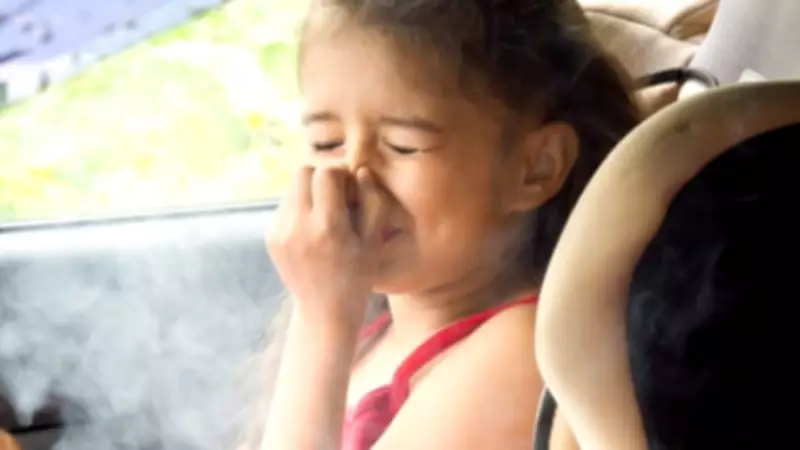
A central component of the plan involves making it illegal to vape or use heated tobacco products in private vehicles when children under the age of 18 are present. This measure would bring vaping restrictions in line with existing laws that already forbid traditional smoking in cars carrying young people.
Ministers are also proposing to strengthen regulations in indoor public spaces by ensuring that all areas currently designated as smoke-free also become completely vape-free. These initiatives form part of a broader 10-year strategy to transition the NHS from a crisis-management approach to one focused on long-term prevention.
Creating Protective Buffers Around Sensitive Sites
The proposals are designed to establish protective buffers around educational and healthcare facilities where passive smoke and vapour pose the greatest harm. Health and Social Care Secretary Wes Streeting emphasized the importance of these measures, stating, "No child in a playground or hospital patient should suffer because someone else chooses to smoke."
He further explained, "Second-hand smoke increases the risk of heart disease and lung cancer, and we want to protect children and the sick from harm. Prevention is better than cure, so this Government is taking pressure off the NHS and building a healthier Britain where everyone lives well for longer."
Health Risks and Expert Perspectives
This consultation marks a crucial phase in the advancement of the Tobacco and Vapes Bill, which seeks to phase out tobacco use for future generations. Medical experts consistently warn that even brief exposure to second-hand smoke can cause immediate respiratory irritation, while prolonged contact is associated with life-threatening chronic conditions.
Chief Medical Officer Professor Chris Whitty highlighted that while most smokers do not intend to cause harm, the risks to non-smokers remain substantial. He commented, "People who do not smoke but who are exposed to second-hand smoke can suffer significant harmful effects on their health, including an increased risk of asthma, poor birth outcomes, several cancers, stroke and heart disease."
Professor Whitty added, "The health risks are greatest for children, pregnant women and people with medical conditions. No smoker wants to harm people, but with second-hand smoke they do – and these measures would reduce the harm second-hand smoke causes the most medically vulnerable in our society."
Exclusions to Support Local Businesses
While the plan is firm on implementing restrictions near schools and hospitals, it explicitly excludes private gardens and outdoor hospitality venues, such as pub gardens, to support local businesses. Business Minister Kate Dearden clarified, "These are targeted proposals to protect children and families from second-hand smoke and vaping, without placing extra pressure on pubs, restaurants or the wider hospitality sector."
She continued, "We have been clear that we will support businesses, and after listening to their concerns, we have excluded outdoor hospitality spaces from these changes."
Consultation Timeline and Public Participation
The public consultation will remain open until May 8, 2026, providing ample opportunity for residents to share their views on these important public health measures. The Government encourages widespread participation to ensure the final policies effectively balance health protection with practical considerations for communities and businesses across the country.