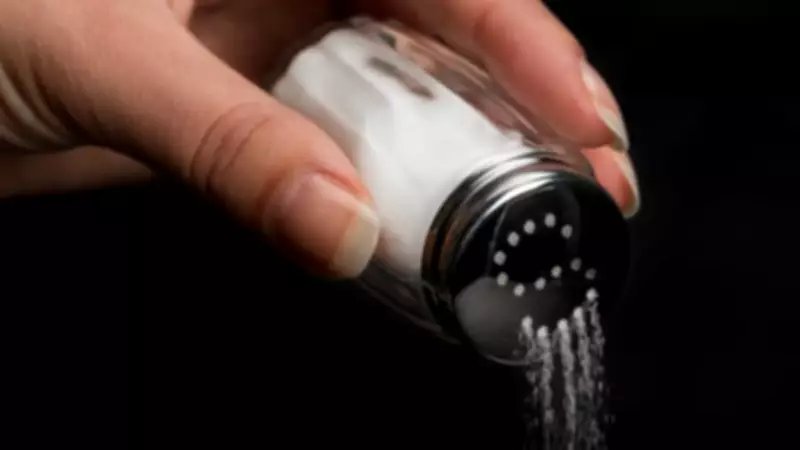
Reducing Salt in Everyday Foods Could Save NHS £1.1bn and Prevent Strokes
A new report from the British Heart Foundation has issued a vital health warning, revealing that cutting salt in our favourite cupboard staples could prevent thousands of strokes and save the NHS a staggering £1.1bn. This finding highlights a critical public health issue as adults in England are consuming roughly 1.5 teaspoons of salt daily, far exceeding safe limits.
Alarming Salt Consumption Levels
The average person currently consumes about 8.4g of salt every day, which is a worrying 40% above the recommended 6g safety limit. This overconsumption poses significant risks to cardiovascular health, increasing the likelihood of strokes and other heart-related conditions. To address this, registered nutritionist Lily Keeling from Green Chef is sharing expert secrets to help individuals reclaim their cardiovascular health and understand where these minerals are hiding in everyday foods.
Hidden Salt Traps in Common Foods
Many people assume the salt shaker is the main problem, but the real danger often lies in pre-packaged goods. Lily explains, "Most of us know we need to limit our daily salt intake, but the real challenge lies in the hidden salt that sits in our everyday staples." From morning toast to salad dressings, sodium is frequently used as a cheap preservative and flavour enhancer in foods consumers might not even be aware of.
- Supermarket bread: A silent offender, with one slice containing as much salt as a packet of crisps. Two slices for a sandwich can account for 15% of the daily sodium limit.
- Breakfast cereals: Even sweet options use high levels of salt to balance sweetness, making them a serial culprit.
- Canned vegetables: Often packed in brine; rinsing under cold water can wash away up to 40% of the salt.
- Low-fat dressings: Manufacturers add high levels of salt and sugar when removing fat to maintain taste, posing hidden risks.
Lily adds, "The health benefits of reducing meat consumption outweigh the increase of salt in this instance, although it is healthier to limit both and choose less processed plant protein sources."
Expert Tips to Boost Flavour Without Salt
Cutting back on salt doesn't mean settling for bland meals. Lily shares professional chef secrets to enhance flavour at home without relying on sodium.
- Use acid: If a dish feels flat, add a squeeze of lemon or a splash of vinegar to brighten it instantly, reducing the need for salt.
- Toast spices: Frying spices like cumin or coriander in a dry pan for 30 seconds releases oils that provide a massive flavour kick, minimizing extra seasoning.
- Avoid pre-made sauces: Ditch jars of sauces and stir-fry kits, which are notorious salt traps, and opt for fresh ingredients and spices to control sodium levels.
By understanding hidden salt sources and adopting these simple kitchen wins, individuals can enjoy delicious meals while significantly reducing health risks. This approach not only supports personal well-being but also contributes to broader public health savings, making it a crucial step toward a longer, healthier life for families across the nation.