State Pension Boost: Younger Pensioners to Receive £241 Weekly from April
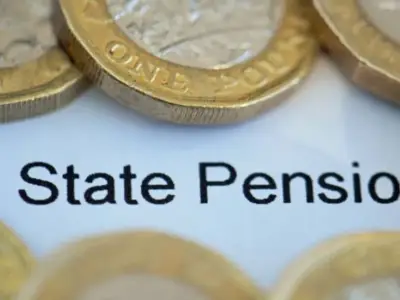
The Department for Work and Pensions (DWP) has announced a significant increase in the State Pension, with younger pensioners born after 1953 set to receive £241 per week starting in April. From April 6, the new State Pension will rise from £230.25 to £241.30 weekly, marking a cash increase of £11.05 each week.
Annual Financial Impact and Government Statement
Over a full year, this adjustment amounts to a total of £12,547.60, up from £11,973 previously. This provides pensioners on the full rate with an additional £574.60 annually, offering enhanced financial security in retirement.
Labour Party Minister for Pensions Torsten Bell emphasized the importance of this change, stating: “After a lifetime of work and contribution, people deserve a decent retirement. Raising the State Pension faster than prices, ensuring it is a pension they can rely on, is how we make that a reality for millions.”
State Pension Age Changes and Public Reactions
While the current state pension age stands at 66, it is scheduled to increase in stages over the next two years until it reaches 67. The first individuals affected will be those born between April 6 and May 5, 1960, who will face an extra month’s wait before receiving their pension.
Public sentiment reflects mixed reactions to these adjustments:
- Peter Bradbury from Preston, who will be entitled to his state pension at age 66 and eight months, expressed frustration: “It is annoying. I’ll do some other work and I can’t travel as much as I wanted to. In terms of day-to-day expenditure it doesn’t affect it that much, but all those little extras you would expect have gone.”
- Laura Williams, a 38-year-old school worker from Netherley, shared concerns about delayed retirement: “By the time I get to pension age I will probably be around 70, I reckon. The things you might put off doing until you have got the freedom, and maybe the finances, to do it, your body might not be able to do by then.”
Expert Analysis and Future Considerations
Laurence O’Brien, senior research economist at the Institute for Fiscal Studies, highlighted the broader implications: “The people most affected are often those least able to adjust through staying in work or drawing on other savings, for example those already out of work or in poor health.”
He added, “There is a good case for future increases to the state pension age to come alongside targeted financial support for most affected groups.” This underscores the need for balanced policies that address both pension values and accessibility as demographic shifts continue.