Student Who Lost Both Legs to Meningitis Demands Action After Recent Outbreak
A university student who suffered devastating amputations after her freshers' flu symptoms turned out to be meningitis has declared that "lessons haven't been learned" following a recent outbreak in Kent that claimed two lives.
From Freshers' Flu to Life-Changing Diagnosis
Ketia Moponda, a 20-year-old marketing and advertising student from Wolverhampton, was just eight days into her studies at De Montfort University in Leicester when she developed what she initially believed to be typical freshers' flu symptoms in September 2024.
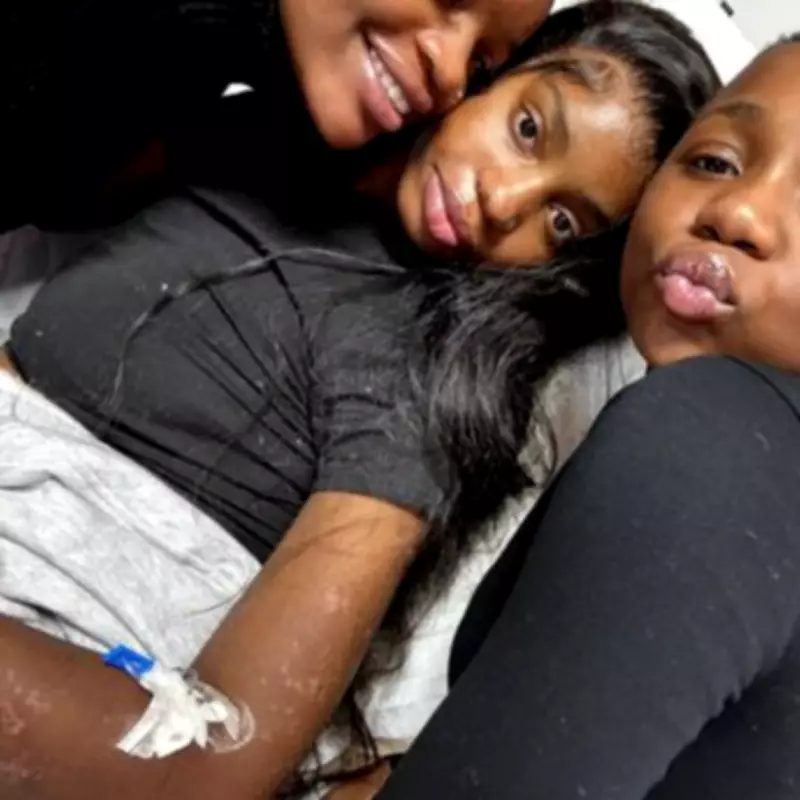
The situation escalated dramatically when friends and family became concerned after not hearing from her. She was discovered unconscious in her accommodation and rushed to Leicester Royal Infirmary hospital by ambulance.
Doctors diagnosed Ketia with meningococcal septicaemia, which caused bacterial meningitis leading to sepsis. The infection resulted in catastrophic damage to her extremities, ultimately requiring amputations of all ten fingers and both legs just below the knee in January 2025.
"It's Unforgivable" - Calls for Government and University Action
Following the deaths of two people, including a university student, during the Kent meningitis outbreak, Ketia has issued an urgent plea to both government authorities and educational institutions.
"I am devastated that there have been two deaths due to meningitis," Ketia shared through Talk to the Press. "I feel so sad that lessons haven't been learned since I last spoke out. It's unforgivable not to have made more of an effort to prevent this."
She emphasized the critical need for targeted awareness campaigns and vaccination programmes specifically designed for students:
- Universities and government should run campaigns using young people and social media
- Students need relatable information about meningitis symptoms and prevention
- Vaccination can significantly reduce the likelihood of fatalities
"Meningitis progresses very very quickly," Ketia warned. "It's a matter of seconds between life and death. A vaccine can really reduce the likelihood of fatalities."
University Duty of Care and Symptom Awareness
Ketia highlighted the particular responsibility universities hold for student welfare, especially during the vulnerable transition period when young people first leave home.
"Universities have a duty of care towards students," she stated. "This is their first time away from home and their parents rely on universities to make sure young people are safe. If you can be strict on rules around drinking etc then you can notice if someone is very unwell."
She provided crucial advice for recognizing potential meningitis symptoms:
- What might seem like a cold can rapidly escalate to extreme fatigue and faintness
- If you cannot stand to get water or reach the bathroom, seek immediate medical help
- When something doesn't feel right, don't hesitate to call an ambulance or go to hospital
"It's not worth risking," Ketia emphasized.
Medical Ordeal and Remarkable Recovery
Ketia's medical journey was harrowing. After being transported to intensive care, she was placed in a coma and woke two days later unable to see or speak. The lack of blood flow caused her fingers and feet to shrivel, swell, and become painful.
Complications continued when she contracted a flesh-eating bug on her buttocks, requiring skin grafts from her thighs. She spent five months in hospital, including time at Queen Elizabeth Hospital in Birmingham where her amputations were performed.
"I'm lucky to be alive," Ketia admitted. "When I got to hospital my blood oxygen level was at 1%. The blood wasn't circulating around my body and my skin was colourless. My feet were green and swollen. My organs were failing, and doctors told my family that if I woke at all I'd likely be brain dead."
Determined Rehabilitation and Future Aspirations
Despite the profound challenges, Ketia has demonstrated extraordinary resilience. Discharged from hospital in February 2025, she received prosthetic lower legs by May and began rehabilitation at a center in Wolverhampton.
While still awaiting confirmation about prosthetic fingers, Ketia has already surpassed expectations by walking unaided in parks - a milestone that typically takes a year to achieve. She remains determined to return to running in the gym and pursue her modeling career.
"They don't know how I got the illness - it's heartbreaking," she shared. "I loved being active and I will be again. At first I thought I'd give up on modeling but I won't. You don't have to hide who you are. This doesn't make me less of a person."
Ketia concluded with a powerful message of self-acceptance and advocacy: "I am unapologetically me and I want to help others to feel confident about who they are and how they look. I'm very headstrong and I plan to break all the barriers of disability."