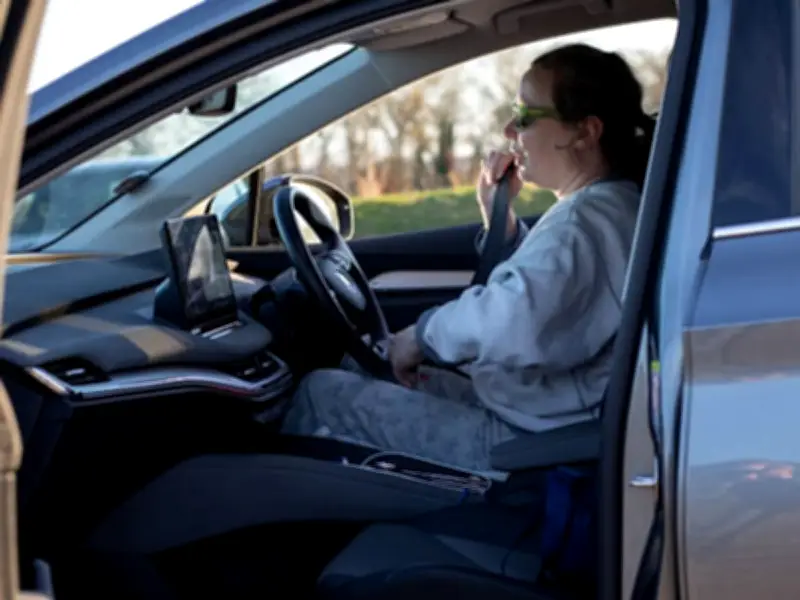
A warning has been issued to middle-aged drivers, particularly those aged 25 to 44, who are now the biggest offenders in deadly mobile phone distraction crashes in the United States. According to findings from the American law firm Levine and Wiss, drivers aged 25 to 34 were involved in 108 fatal crashes where mobile phone use was a factor in 2024, while those aged 35 to 44 were linked to an additional 83 deadly incidents.
Younger Drivers Less Involved
By comparison, drivers aged 21 to 24 were involved in 61 fatal crashes involving mobile phone distraction. A spokesperson for Levine and Wiss stated: 'The stereotype of the distracted teen driver doesn't match today's reality. Adults in their prime working and parenting years are increasingly the ones taking dangerous risks with their phones behind the wheel.'
Among motorists surveyed, 38% said they felt pressure to always be available, while 37% worried about missing something important from work.
National Distracted Driving Awareness Month
Levine and Wiss emphasized: 'April is National Distracted Driving Awareness Month, a reminder that even brief distractions can have lasting consequences. Activities like texting, eating or drinking, or multitasking behind the wheel can significantly increase the risk of an accident. If you've been injured due to a distracted driver, Levine and Wiss is here to protect your rights and help you pursue the compensation you deserve!'
The firm also highlighted three types of driving distractions: Visual — taking your eyes off the road, Manual — taking your hands off the wheel, and Cognitive — taking your mind off driving.
Speeding and Phone Use Combined
A new study from the IIHS shows that drivers are more likely to use their phones while speeding, a tendency that increases crash risk by combining two dangerous behaviors. IIHS President David Harkey said: 'Until now, safety experts believed drivers used their cellphones most at slower speeds. But data from insurance companies' safe-driving apps show that, in free-flowing traffic, the opposite is true.'