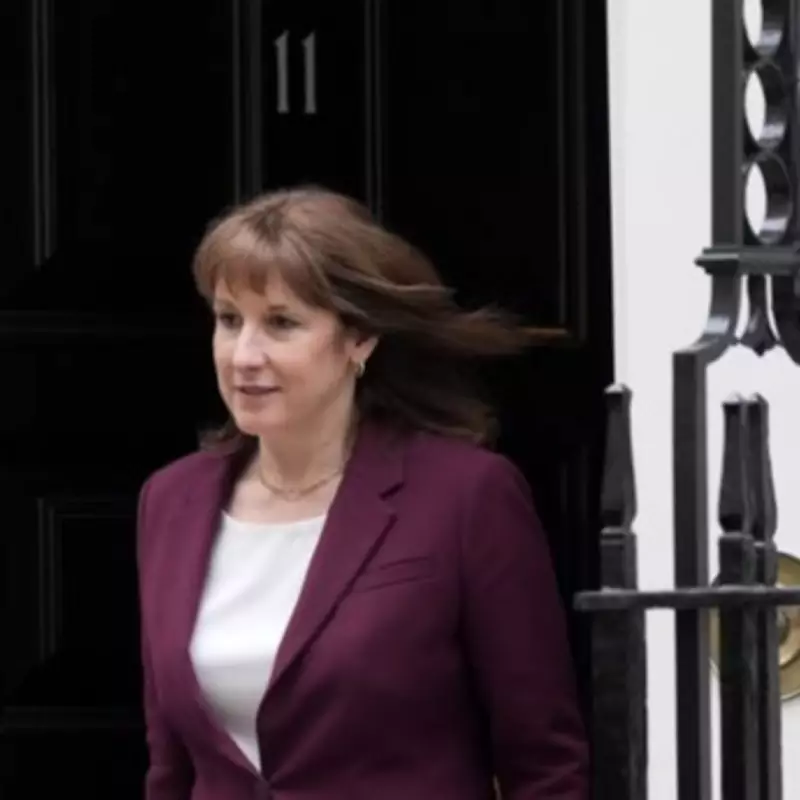
Rachel Reeves Criticized for Frozen Tax Bands Affecting Pensioners
Chancellor Rachel Reeves is facing significant criticism for her decision to maintain frozen tax bands, a move that will result in hundreds of thousands of pensioners being drawn into the income tax net starting in April 2026. This policy comes at a time when the state pension is set to increase under the government's triple lock mechanism, creating a financial squeeze for many retirees.
The Triple Lock Increase and Tax Threshold Freeze
The state pension will see an annual rise next month as part of the triple lock rules, which ensure pensions increase by the highest of inflation, average earnings growth, or 2.5%. However, crucially, tax bands have remained frozen at their current levels since 2021 and will continue to be frozen under the current government plans.
This means that as pension incomes gradually increase each year, more retirees will approach and eventually surpass the personal allowance threshold of £12,570. Once they cross this threshold, they become liable for income tax on their earnings above this amount.
Fiscal Drag: The Stealth Tax on Pensioners
This phenomenon is known as fiscal drag, where inflation and income growth push taxpayers into higher tax brackets without any explicit tax rate increases. Critics have labeled this approach a stealth tax that particularly impacts pensioners who have contributed to the system throughout their working lives.
Derence Lee, chief finance officer at Shepherds Friendly, explained: "With the full new State Pension rising to £11,973 in April, and personal allowance now frozen at £12,570 until 2031, more retirees are edging dangerously close to paying income tax on their state pension."
Lee continued: "The triple lock has played a vital role in helping pensioners keep pace with the high inflation seen in recent years. However, if the tax-free allowance remains frozen, some of the recent state pension increases could effectively be taken back through income tax."
Growing Numbers Affected
According to the latest forecasts, an additional 600,000 pensioners will be required to pay income tax during the 2026/27 tax year. This number is projected to rise to one million by 2030/31 as the gap between pension increases and frozen tax thresholds continues to narrow.
An Assistance for Seniors spokesperson warned: "This is no longer a problem affecting only those with substantial pension pots. We are fast approaching a point where simply receiving the full state pension, alongside even a modest amount of savings interest, is enough to trigger a tax bill."
The spokesperson added: "Pensioners need to understand their position before April 6 — not after."
Protection for Poorest Retirees
Chancellor Rachel Reeves has pledged to protect the most vulnerable retirees whose sole income source is the state pension. However, this protection does not extend to hundreds of thousands of older individuals who have modest private pensions, savings accounts, or other forms of supplementary income.
The full state pension will climb to within just a few pounds of the £12,570 personal allowance threshold from April, meaning even small amounts of additional income could push retirees over the limit and into tax liability.
This policy decision has sparked debate about the fairness of the tax system for pensioners and whether the government should reconsider the frozen tax bands in light of rising living costs and pension increases.