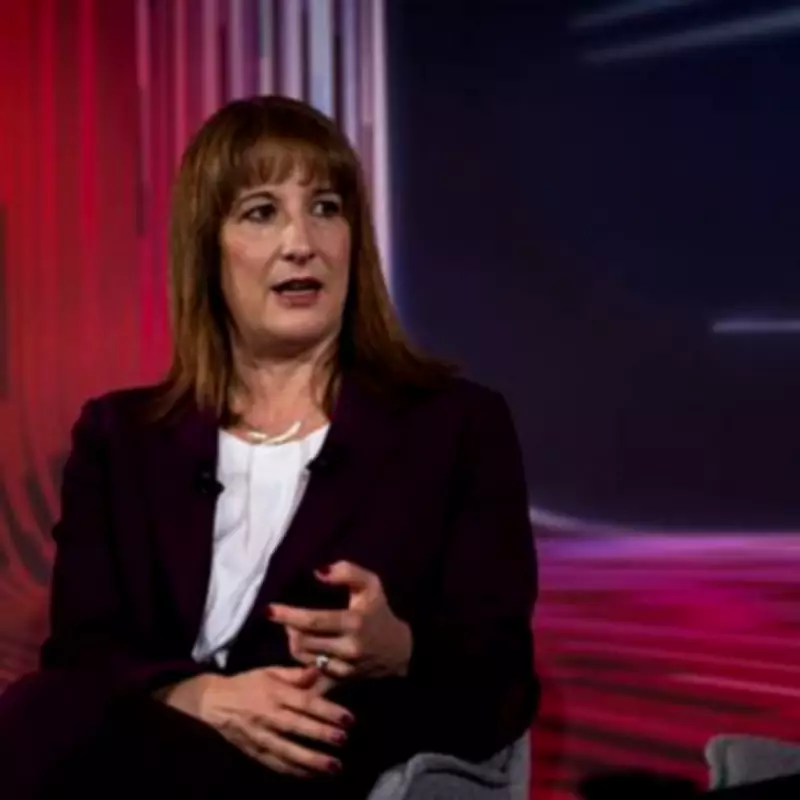
Chancellor Rachel Reeves has confirmed a rule change that will put £120 back into the bank account of the average driver. The update came on Wednesday, May 30, as the Labour government scrapped the planned fuel duty rise. Prime Minister Sir Keir Starmer told the Commons that extending the temporary 5p cut is a necessary response to cost-of-living pressures.
At the last budget, Chancellor Rachel Reeves announced she would freeze fuel duty for nine months but would end a temporary 5p cut first announced by former Conservative leader Rishi Sunak in 2022. The move from Mr Sunak came in the wake of Russia's invasion of Ukraine.
Starmer said: “There is more that we can do, and I can announce today that we are giving our hauliers a 12-month vehicle tax holiday, helping to keep prices down, and we are backing drivers by extending the freeze in fuel duty for the rest of the year. This is possible because of the decisions taken by the chancellor, making us the fastest-growing economy in the G7. She will set out further action tomorrow.”
Starmer added: “This is not our war, but while the parties opposite wanted to jump into it, Labour will always protect working people.”
A Treasury announcement, released as Starmer spoke, said that by the end of 2026 the freeze of fuel duty would have saved the average driver £120 over two years, while the one-year pause on vehicle excise duty would save £600 for a typical heavy lorry.
Ms Reeves said: “The war in Iran is pushing up fuel prices here at home but after strong growth at the beginning of the year, I am stepping in to protect people at the pump. By protecting households and businesses we are building a stronger and more secure economy for Britain. That is the right economic plan.”
The government said this is the lowest rate in more than 20 years and will help support businesses as red diesel prices have spiked since the start of the war in Iran, with NFU economists saying that prices are currently up to 55% higher than before the conflict. Some NFU members reported prices even higher during March and April.
NFU President Tom Bradshaw said: “Since the outbreak of the war in the Middle East, we have consistently raised the inflationary pressures facing farmers and growers with the government including in recent meetings with Defra ministers. The government's decision to scrap the planned rise in fuel duty is good news, and the cut to red diesel duty is a welcome, well-targeted measure. There are further steps the government could take going forward, such as reversing electricity standing charge increases and delaying CBAM, to help ease production cost pressures for farmers and growers and curb inflation across the food supply chain.”