The Met Office has extended its amber extreme heat warning, now covering four days instead of the initial two, with temperatures expected to reach 38C in parts of the UK. A total of 92 regions and local authorities are under alert.
Exact Timing of the Heatwave
The first alert runs from Monday, June 22, at 1am until Tuesday, June 23, at 11.59pm. A second alert has been issued from Wednesday, June 24, at midnight through to Thursday, June 25, at 11.59pm. Forecasters warn of exceptionally hot and humid weather both day and night.
Health Risks and Warnings
According to the Met Office, population-wide adverse health effects are likely, not limited to those most vulnerable. Potential serious illness or danger to life is possible. The warning states: "Substantial changes in working practices and daily routines likely to be required. Failure of heat-sensitive systems and equipment is likely, with the probable loss of power and other essential services, such as water, electricity, gas or mobile phone services."
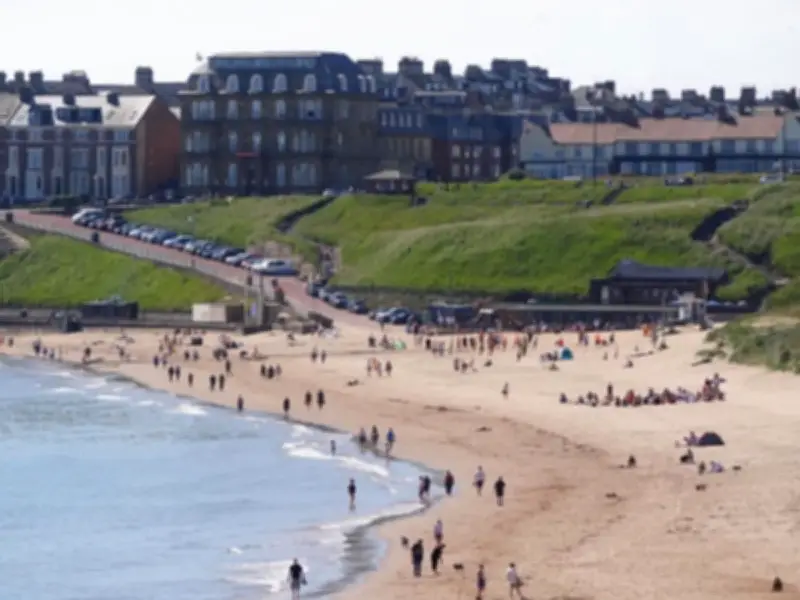
The alert also highlights increased risks at coastal areas, lakes, and rivers, with more people expected to visit these locations. Delays on roads and road closures are possible, along with delays and cancellations to rail and air travel, potentially leading to significant welfare issues for those experiencing even moderate delays.
Temperature Forecast
Daytime temperatures are widely expected to exceed 30C, with the hottest areas potentially peaking around 38C. Overnight, temperatures are unlikely to fall much below the high teens Celsius, and some places will not drop below 20 or 21C. High humidity will accompany these high temperatures. Cooler conditions may begin from the west after this period, but confidence is low.
Full List of Affected Regions and Local Authorities
The 92 areas covered by the warning include:
- Derby, Derbyshire, Leicester, Leicestershire, Lincolnshire, Northamptonshire, Nottingham, Nottinghamshire, Rutland
- Bedford, Cambridgeshire, Central Bedfordshire, Essex, Hertfordshire, Luton, Norfolk, Peterborough, Southend-on-Sea, Suffolk, Thurrock
- Bracknell Forest, Brighton and Hove, Buckinghamshire, East Sussex, Greater London, Hampshire, Kent, Medway, Milton Keynes, Oxfordshire, Reading, Slough, Southampton, Surrey, West Berkshire, West Sussex, Windsor and Maidenhead, Wokingham
- Cheshire East, Cheshire West and Chester, Greater Manchester, Halton, Lancashire, Merseyside, Warrington
- Bath and North East Somerset, Bristol, Devon, Dorset, Gloucestershire, North Somerset, Plymouth, Somerset, South Gloucestershire, Swindon, Torbay, Wiltshire
- Blaenau Gwent, Bridgend, Caerphilly, Cardiff, Carmarthenshire, Ceredigion, Conwy, Denbighshire, Flintshire, Gwynedd, Isle of Anglesey, Merthyr Tydfil, Monmouthshire, Neath Port Talbot, Newport, Powys, Rhondda Cynon Taf, Swansea, Torfaen, Vale of Glamorgan, Wrexham
- Herefordshire, Shropshire, Staffordshire, Stoke-on-Trent, Telford and Wrekin, Warwickshire, West Midlands Conurbation, Worcestershire
- East Riding of Yorkshire, North Lincolnshire, North Yorkshire, South Yorkshire
Residents are advised to take precautions, stay hydrated, and avoid the sun during peak hours. The Met Office continues to monitor the situation and update warnings as necessary.