Nine money and benefits changes are coming in July as Sir Keir Starmer steps down as Prime Minister. The economic fallout from the Iran war continues to hit households hard, with macroeconomic factors tightening finances. Amid this tough backdrop, Starmer has decided to step down as Labour Party Prime Minister, with Andy Burnham likely to succeed him.
Motability Changes - July 1
Reforms to the Department for Work and Pensions (DWP) Motability scheme take effect on July 1, aiming to ensure fairness for taxpayers while still supporting disabled people's mobility. New tax rules on Motability car leases are expected to save taxpayers £1 billion by 2030, following the removal of luxury vehicles including BMW and Mercedes from the scheme after the Budget.
Labour Party Work and Pensions Secretary Pat McFadden MP said: "Today's changes are driven by the fairness that underpins this Government - fairness for the taxpayer, fairness for disabled people, and fairness for the country. We're saving £1 billion of taxpayer money by removing VAT relief from some new Motability leases, whilst ensuring the scheme still supports disabled people's mobility and independence. We're building a fair welfare system and an economy that works for everyone."
New Ofgem Price Cap - July 1
The Energy Price Cap, which controls what most households pay for energy, rose by 13% on average on July 1. For those paying by Direct Debit, from July 1 to September 30, 2026, the Price Cap for a typical household is £1,633 a year. For cash, cheque or quarterly Direct Debit payments, the cap is £1,795 a year. Ofgem states this is higher to reflect additional costs from suppliers for billing those not on monthly Direct Debit. For prepayment customers, the cap is £1,620 a year.
DWP Benefits Early in Northern Ireland - July
In England and Wales, benefit payments will go out as usual in July, with no bank holidays affecting schedules. The DWP has mostly completed the migration of legacy benefits to Universal Credit. However, in Northern Ireland, the July bank holiday for the Battle of the Boyne (The Twelfth) falls on Monday, July 13, causing government offices and banks to close, shifting benefit and pension payment dates.
Bank of England Consultation - July 3
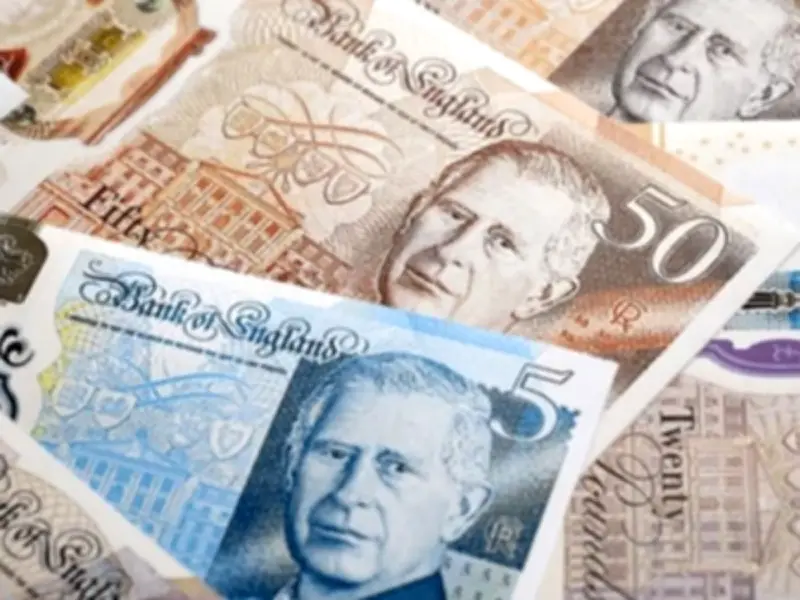
The Bank of England is considering which animals to feature on redesigned £5, £10, £20, and £50 notes. A panel of wildlife experts has developed a shortlist of native UK animals. The public consultation closes at 11:59pm on July 3.
Lloyds Bank Fees - July 10
Lloyds Bank is increasing several charges from July 10. The general account maintenance fee rises from £8.50 to £10 per month per account, an extra £18 per year per account.
New BNPL Rules - July 15
From July 15, prominent Buy Now Pay Later (BNPL) providers including Klarna and Clearpay will fall under direct regulation of the Financial Conduct Authority (FCA). Jonathan Chesterman, debt advice policy manager at StepChange, said: "If something goes wrong, shoppers have the right to complain to the BNPL provider. If shoppers don't receive a satisfactory response, they can then approach the Financial Ombudsman Service, which is free and objective. Previously, if shoppers had a complaint they couldn't resolve amicably or mutually with their BNPL provider, filing a court case under contract law would've been the only option. Shoppers will also receive more information about what they're signing up to, what their commitments are and what the lender will or won't do if they miss payments."
Inflation Decision - July 22
The Office for National Statistics (ONS) will release latest inflation data on July 22.
Interest Rates Decision - July 30
The Bank of England will announce its next interest rates decision on July 30.
Self Assessment Deadline from HMRC - July 31
HM Revenue and Customs (HMRC) reminds millions of Self Assessment taxpayers of the July 31 deadline for second payments on account for the 2025-26 tax year. Customers can set up monthly or weekly payment plans, with payments via the HMRC app counting toward the next bill. Nearly 2 million taxpayers have used the app since January 2022 to pay, set reminders, and track history.