Chancellor Rachel Reeves Announces Significant Borrowing Reduction in Spring Statement
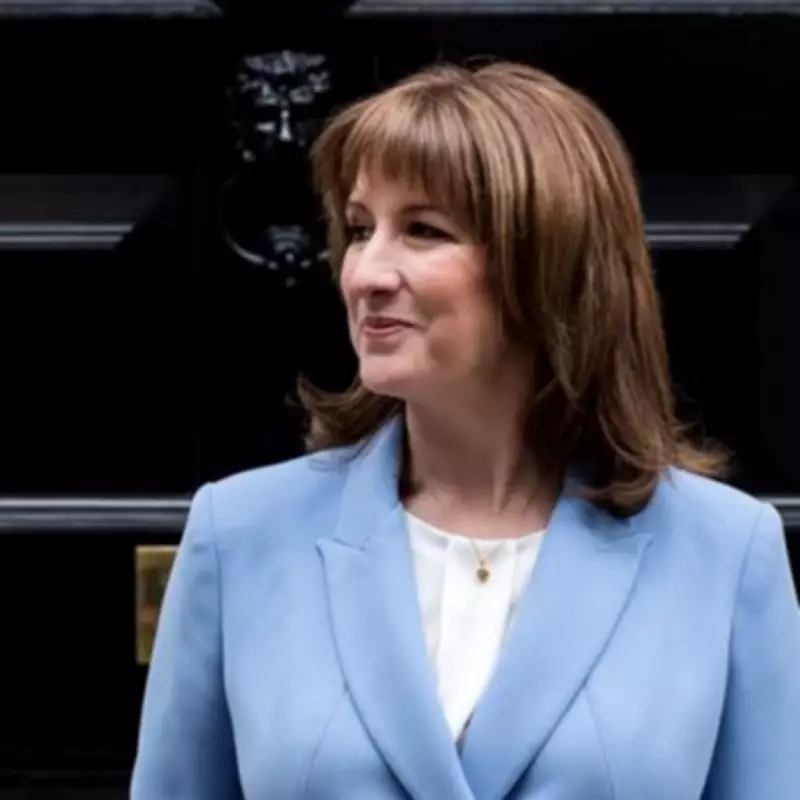
Chancellor Rachel Reeves has delivered her Spring Statement to the House of Commons, revealing that government borrowing is projected to decrease by £18 billion by the Autumn. This announcement marks a significant development in the UK's fiscal landscape under the current Labour government.
Economic Milestones and Conservative Comparison
Reeves emphasized that for the first time, the UK's borrowing levels are lower on average than any other country in the G7, a milestone she noted never occurred during previous Conservative administrations. This achievement represents what she described as tangible progress in economic management.
However, the Chancellor issued a stark warning that all this progress could be wiped out "by a change in course", suggesting that maintaining current policies is crucial for sustaining economic gains.
Financial Benefits for Households
In her statement, Reeves made a significant promise to British households, declaring that people will be £1,000 better off per year by the next election, currently scheduled for 2029. This projection accounts for inflation and gives the Labour government approximately three years to fulfill this commitment.
The Chancellor provided specific growth figures, stating: "I can confirm that GDP per person is set to grow more than was expected in the autumn, with growth of 5.6% over the course of this parliament... And by the next election, after accounting for inflation, people are forecast to be £1,000 better off per year. We promised change and we are delivering that change."
Growth Concerns and Tory Legacy Critique
Despite the positive projections, Reeves admitted she remains not "satisfied" with current growth forecasts and criticized what she called the "deep economic scars" left by previous Conservative governments. This acknowledgment suggests ongoing challenges in the economic recovery process.
Expert Reaction and Fiscal Framework Discussion
Louisa Dollimore, Director of Strategy at the Good Growth Foundation, responded to the statement with measured analysis. She supported Reeves' emphasis on stability, noting: "The Chancellor is right to prioritize stability - with volatility rising across the globe, calm heads must prevail."
However, Dollimore called for broader fiscal discussions, stating: "But if we want to boost growth and bring down the cost of living, we need a frank conversation about the UK's fiscal framework. The OBR is vital to our economic credibility, but as the economy changes, so must it."
She advocated for a more comprehensive approach: "Greater stability would come from a framework that looks beyond short-term forecast swings and properly reflects the long-term returns of investing in things like skills, infrastructure and regional growth. Indeed this would strengthen fiscal sustainability rather than rely on quick fixes."
Political Context and Implementation Timeline
The Spring Statement comes at a crucial juncture for the Labour government, which now faces the practical challenge of implementing policies to achieve these economic targets. With the next election approximately three years away, the government has a defined timeframe to demonstrate tangible results from their economic strategy.
The borrowing reduction announcement represents both an achievement and a benchmark against which future economic performance will be measured, particularly as global economic conditions continue to evolve.