Chancellor Rachel Reeves Delivers Spring Statement with No Sin Tax Increases
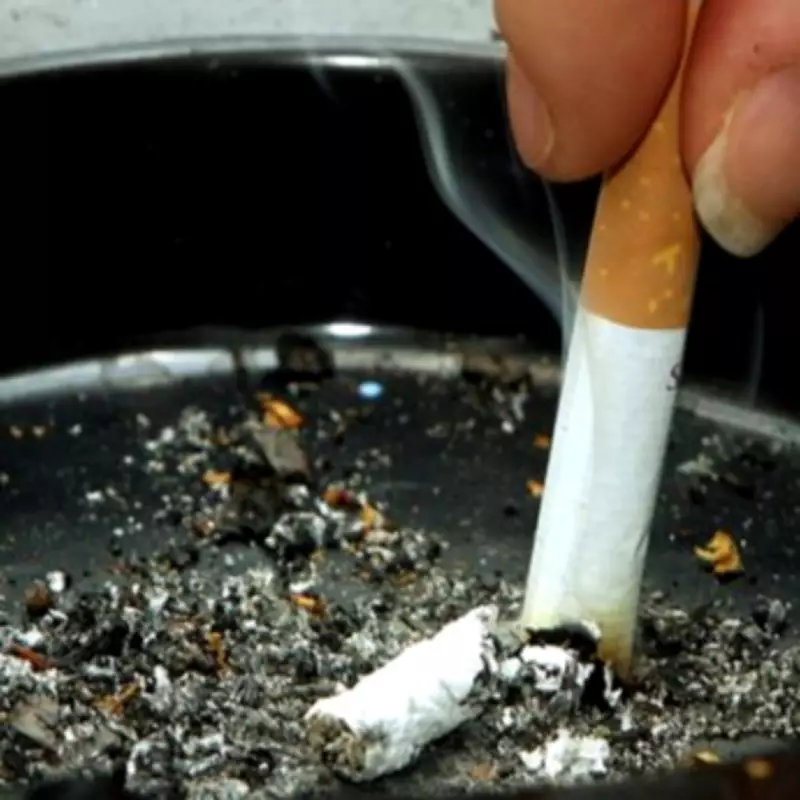
In a significant announcement today, Chancellor Rachel Reeves presented her Spring Statement to the House of Commons, providing clarity on potential price rises for cigarettes and alcohol across the United Kingdom. Contrary to widespread speculation and ongoing rumours, the Chancellor confirmed that there will be no immediate hikes to the so-called sin taxes affecting these products.
Economic Promises Take Center Stage
Instead of focusing on tax increases for smokers and drinkers, Chancellor Reeves shifted the narrative towards broader economic growth and stability. She emphasised that the government is committed to making Britons financially better off, projecting that by the next election, after accounting for inflation, individuals will be approximately £1,000 better off per year.
"I can confirm that GDP per person is set to grow more than was expected in the autumn, with growth of 5.6% over the course of this parliament," Reeves stated during her address. "And by the next election, after accounting for inflation, people are forecast to be £1,000 better off per year. We promised change and we are delivering that change."
Reeves Criticises Tory Legacy and Growth Forecasts
Despite the positive outlook, the Chancellor expressed dissatisfaction with the current growth forecasts, attributing some of the economic challenges to the "deep economic scars" left by the previous Conservative government. Her statement highlighted a strategic pivot towards long-term stability rather than short-term fiscal measures.
Expert Reaction and Calls for Fiscal Reform
Reacting to the Spring Statement, Louisa Dollimore, Director of Strategy at the Good Growth Foundation, acknowledged the Chancellor's focus on stability but called for a more comprehensive fiscal framework. "The Chancellor is right to prioritise stability - with volatility rising across the globe, calm heads must prevail," Dollimore commented.
She further elaborated, "But if we want to boost growth and bring down the cost of living, we need a frank conversation about the UK’s fiscal framework. The OBR is vital to our economic credibility, but as the economy changes, so must it."
Dollimore advocated for a framework that extends beyond short-term forecast fluctuations and properly reflects the long-term returns of investing in critical areas such as:
- Skills development
- Infrastructure improvements
- Regional growth initiatives
She argued that such an approach would strengthen fiscal sustainability rather than relying on quick fixes, providing greater economic stability in the face of global uncertainties.
Looking Ahead to 2029
With the next election currently set for 2029, Chancellor Reeves and the Labour Party government have approximately three years to fulfil their promise of making Britons £1,000 better off annually. This timeline sets a clear benchmark for economic performance and policy implementation in the coming years.
The Spring Statement's avoidance of sin tax increases represents a calculated decision to prioritise broader economic recovery and household financial improvement over additional revenue generation from tobacco and alcohol products. This approach aligns with the government's stated commitment to delivering tangible change and addressing the cost-of-living concerns facing many UK residents.