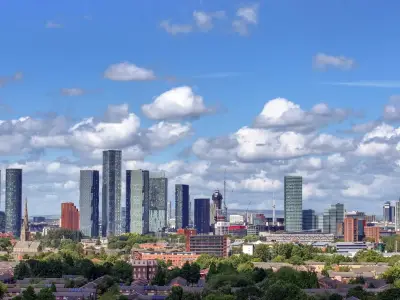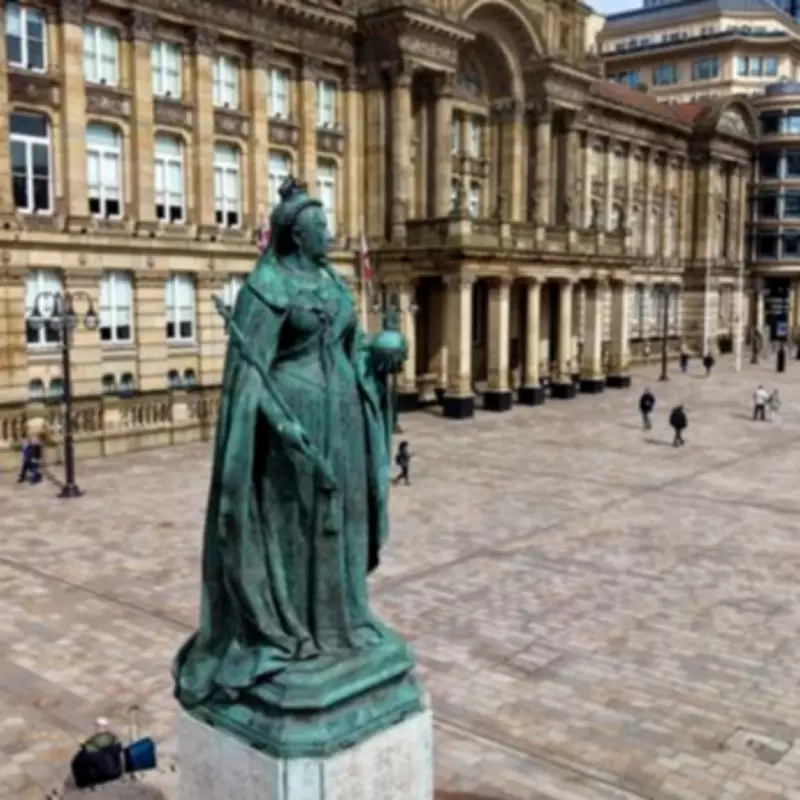
Birmingham's future leaders must avoid a chaotic coalition amid the immense challenges facing the city. The Second City is grappling with a bin strike, fly-tipping woes, housing shortages, and a road safety emergency, among other issues.
Fragmented Political Landscape
In the build-up to the local elections, both Labour and Conservative figures warned of a 'coalition of chaos' if voters rejected the two-party system. That forecast has become reality, with Labour losing control of the council and no party holding a majority. The council now comprises a rainbow of parties, including Reform, Greens, Labour, Conservatives, independents, and Liberal Democrats, all with similar numbers of councillors.
Talks are underway to form a coalition, with the Liberal Democrats and Conservatives already setting out their positions. Compromise and positive collaboration will be essential.

Pressing Issues
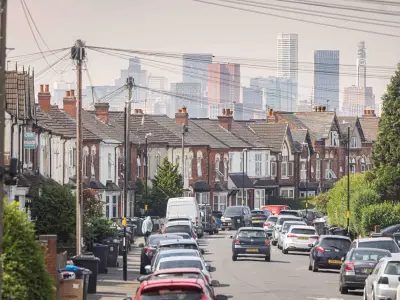
The bin strike has made Birmingham a national punchline, with 'cat-sized rats' and piles of rubbish blighting communities. Basic services like recycling and garden waste remain suspended. In areas like Lozells and Selly Oak, rubbish has been accumulating even before the strike began. The saga is now in its second year, and residents are desperate for clean streets.
Housing is another enormous challenge. The council's waiting list includes at least 20,000 households, with families stuck in temporary accommodation for years. Regeneration projects in areas like Ladywood have sparked controversy, with residents reporting 'suffering nightmares' over plans.
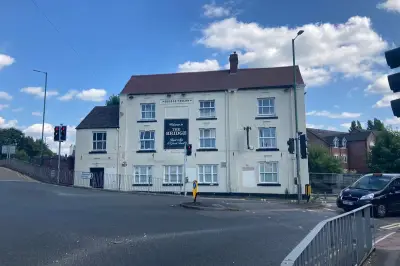
Road safety is a critical issue, with decisions pending on measures like 20mph speed limits and Low Traffic Neighbourhoods, which have divided opinion in Kings Heath. Heritage buildings such as The Crown, birthplace of Black Sabbath, and The Electric Cinema remain vacant, prompting calls to 'save' them.
The council must also stabilise its finances after the recent 'bankruptcy' led to unprecedented cuts, including to day centres for vulnerable people. Potholes, exempt accommodation, libraries, and youth centres require further action.
Need for Cooperation
The scale of the challenge is colossal, and residents are exhausted and disillusioned, craving drastic improvements and hope for the future. Cross-party working has succeeded in the past on issues like child criminal exploitation and clean air. Now, leaders must work together on a larger scale, providing a coalition of cooperation rather than chaos.
It won't be easy, but avoiding further instability must be the priority. With eyes from across the country watching, Birmingham's leaders have a chance to prove that fragmented politics can still deliver effective governance.