Birmingham City Council's most senior officer has spoken out on the city's future after the local elections left no party having overall control of the authority. The elections on May 7 saw many frustrated voters abandon Birmingham Labour, who lost control of the city council, their group leader, and dozens of seats.
The fracturing of Birmingham's politics meant no party had even half the councillors needed for an overall majority. Talks soon got underway to see if a coalition could be formed. However, both Labour and Reform have said they will not play a part in the future administration, leaving it up to others within the mishmash of different parties and personalities to find a way forward. One Birmingham MP even warned in the House of Commons recently that the government should “be on red alert” over the situation.
The rejection of the two-party system means compromise and cross-party cooperation will likely be needed at a time when the city faces huge challenges, such as ending the bins strike. Joanne Roney, managing director at Birmingham Council, was asked whether residents can be reassured the council can still tackle critical issues despite this unprecedented situation.

“Clearly it’s not for me to comment on the politics or what arrangements may exist in Birmingham,” she said. “But as the managing director of Birmingham City Council, it’s absolutely my job to deliver on the commitments that have been made to the residents of this city and to have a council that functions well to do that.”
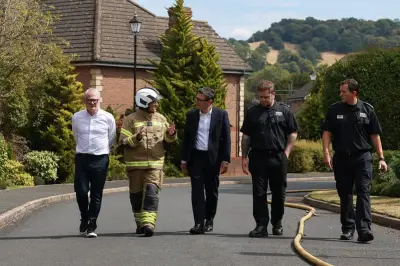
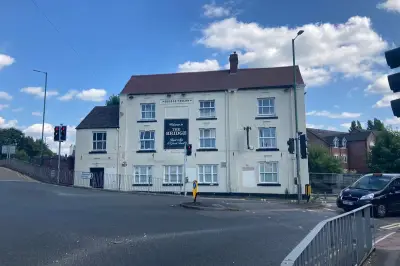
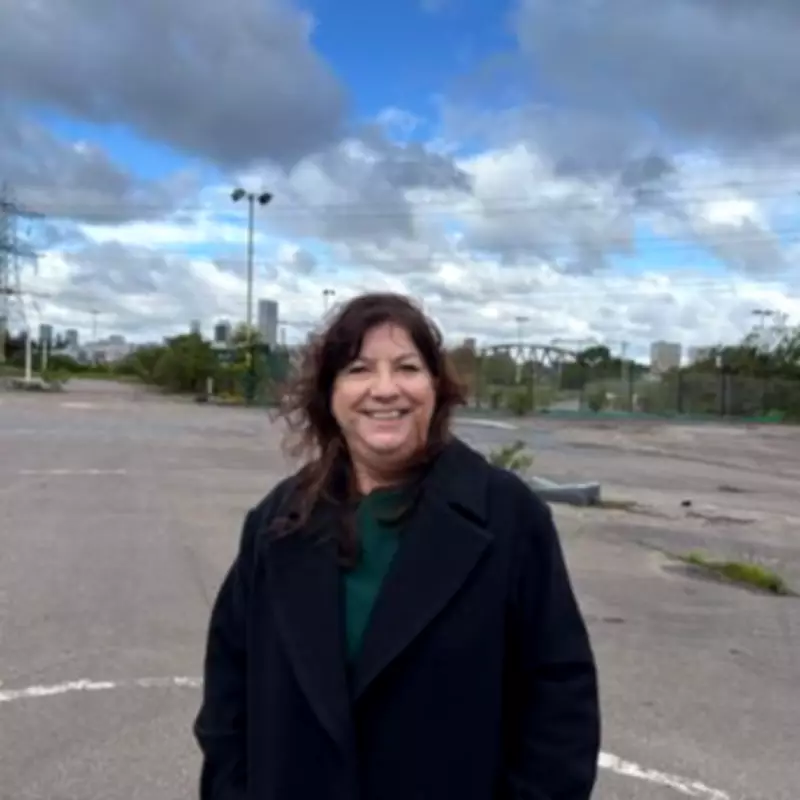
Ms Roney was speaking at the Birmingham Wheels site amid plans for an ambitious project set to provide a major boost for the Sports Quarter plans. In particular, West Midlands Mayor Richard Parker launched a Mayoral Development Corporation (MDC) to significantly speed up the £11 billion regeneration of East Birmingham. Mayor Parker said this week that the MDC initiative will cut through red tape, build investor confidence, and accelerate investment into the area, benefiting enormous projects such as the Sports Quarter and Smithfield.
Asked how the MDC could provide stability for such schemes regardless of the political situation in Birmingham, Joanne Roney said: “It’s a partnership with the council so the leader of the council will be on the board of the MDC. But the MDC is a partnership vehicle that’s solely focused on delivering these schemes and creating those jobs. There is a stability provided from that just by virtue of it being a very focused, single purpose vehicle.”
She also acknowledged that some Brummies may be sceptical that these massive, ambitious projects can be fully realised, saying: “People can hear the plans and see the drawings and they don’t believe it’s going to happen – and I understand that. Doing big schemes or big projects, there are always unforeseen delays and complexities. What I would like to say to residents is by creating this MDC that is the confidence that both investors and businesses have, as well as residents, that we are now in partnership with dedicated resources and capacity, more devolved powers and we really can accelerate.”
“I’d also say this might be the biggest MDC in the UK that we’re creating here but MDCs have been created in other areas and once they’re created, they really can get a momentum behind them. That’s why it’s big news.”
A council leader and other cabinet members are set to be appointed at a meeting of the full council later today (May 19). Below is the political makeup of the council – 51 seats were needed for a majority: Reform UK – 23, Green Party – 19, Labour – 17, Conservative – 16, Independents – 13, Liberal Democrats – 12, Workers Party – 1.