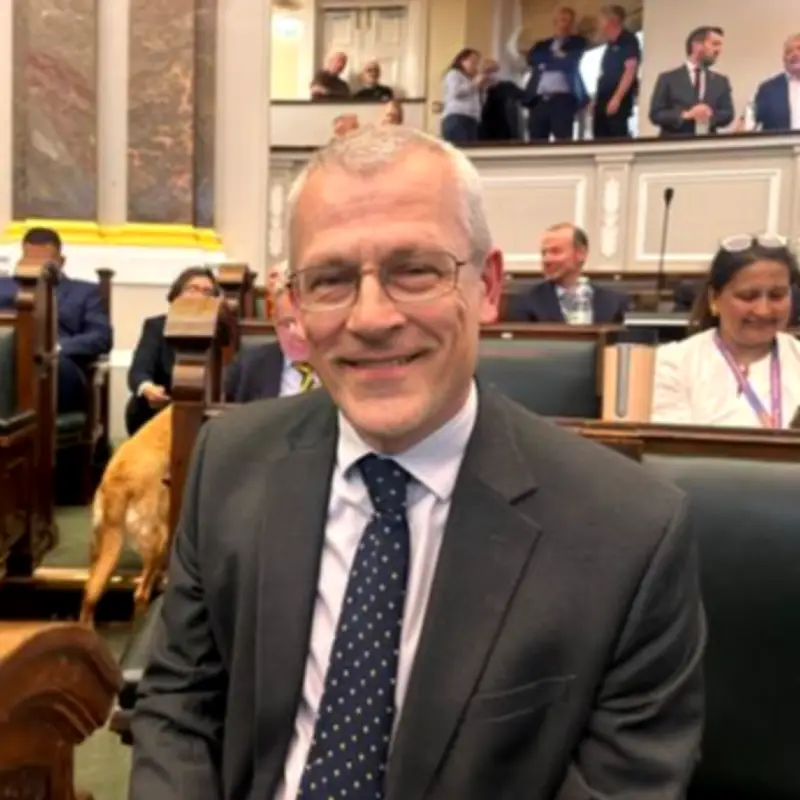
For the first time in Birmingham’s history, a Liberal Democrat councillor has become the new leader of the city council. Councillor Roger Harmer now leads the local authority, often described as the largest in Europe, with a budget of around £4.4 billion.
Birmingham Council was without political leadership for almost a month following the local elections, which saw voters reject the two-party system and embrace a diverse mix of parties and personalities. The Lib Dems have formed a minority administration, including the Green Party, the Better Birmingham Group, and the Birmingham Independent Group.
Coun Harmer said the coalition was “united by a vision of progress” and named resolving the bins strike as one of its major priorities. Speaking in the council chamber on Friday, he outlined other focuses, including tackling anti-social behaviour, rogue landlords, potholes, dangerous drivers, and those who ignore planning and waste regulations.

Vision for the City
Earlier this year, Coun Harmer was asked about the Liberal Democrat’s overall vision. “We want a well-run council,” he said. “We want a city where the rules are followed and people know if they break the rules, there will be consequences. As a result, the city is well-run and being cleaned up, we are tackling anti-social behaviour in all its forms and people stop talking about Birmingham as ‘rats as big as cats’.” He added that he wanted the conversation about Birmingham to shift to the city “being turned around and up-and-coming,” which would then feed into lower unemployment and child poverty rates.
Bin Collections
On the bins strike, Coun Harmer said both sides need to be in the same room to “try and get to a common understanding of what the law says.” He noted that different legal advice was driving the two sides apart and that once agreement is reached, a fair and legal settlement can be negotiated. The Birmingham Liberal Democrats also committed to maintaining weekly collections until services are completely reliable for a significant period. “You do not go to fortnightly collections first and then try and sort out the reliability of the service,” he said.
Road Safety and Potholes
Coun Harmer argued that the previous Labour council had not done enough on road safety and called for more average speed cameras. His party also wants to create a “significant network” of moving traffic enforcement cameras to address red-light running and wrong-way driving. “The culture on Birmingham’s roads at the moment is you can do what you like and get away with it,” he said. On funding, he noted that the council needs to improve relationships with external parties. Regarding Low Traffic Neighbourhoods (LTNs), he said the party is “not per say in favour or against” but supports listening to communities. On potholes, the Lib Dems secured £25 million more for road resurfacing in the 2026/27 budget and would prioritise first-time permanent repairs on main roads.
Culture and The Crown
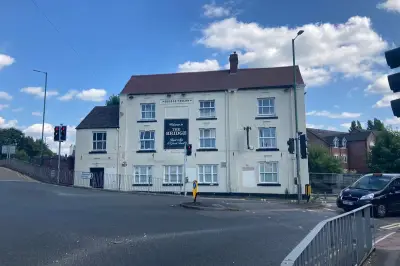
Coun Harmer described Birmingham’s arts and culture as a “real asset that the city should be actively promoting.” He prioritised getting museums open longer, possibly through community volunteers and paid staff. He also highlighted the importance of venues like The Electric Cinema and The Crown pub, where Black Sabbath played their first gig, and stressed the need for good relationships with cultural institutions.
Housing
Coun Harmer argued that the council had mishandled development, focusing on small apartments instead of family housing for social rent. “The ideal in our mind is five-storey which is really dense but gives you more sense of a community,” he said. He also criticised the council’s failure to work with communities on regeneration projects like Ladywood.

Unemployment
With unemployment at “crisis levels” in some communities, Coun Harmer saw massive opportunity from investments like HS2 and the Sports Quarter. However, he stressed that deprived communities must be “linked in” to opportunities. “The key thing is to link in our deprived communities, where there is high unemployment, and make sure people there feel like those opportunities are reachable to them and the training they need is provided for them,” he said. He warned against new businesses filling trains with commuters from outside Birmingham, emphasising the need to work with local businesses.