Birmingham Council Budget Meeting Ends in Failure
Birmingham City Council's crucial budget meeting ended in dramatic failure yesterday, Tuesday 24 February 2026, when the ruling Labour group could not secure enough votes to pass its annual spending plan. The council will now reconvene next week for emergency negotiations to reach a compromise before the legal deadline of March 11.
A Critical Democratic Moment
The budget meeting represents one of the most important events in the local democratic calendar, where the majority political group outlines its priorities and financial plans for the coming year. While opposition groups present alternatives, the ruling group's budget typically prevails. This year's failure carries significant legal and reputational consequences for Britain's largest unitary authority.
Under the Local Government Finance Act, every local authority must agree a budget by March 11. Failure to do so means the council cannot set council tax rates or send out bills on time, creating financial chaos for residents and damaging the council's credibility.
Labour's Mathematical Mirage
On paper, Labour appeared to have the numbers needed for victory with 52 council members versus a combined opposition of 47. However, leadership knew for days that these numbers were misleading. At best, they could rely on only 45 of their 51 available voting members being present for the crucial vote.
Several factors contributed to this shortfall:
- The Lord Mayor, Councillor Zafar Iqbal, must remain neutral and cannot vote
- At least four members were absent due to serious illness affecting themselves or family
- Former council leader Ian Ward and others had indicated they would not attend
Despite this reality, the Labour leadership chose hope over pragmatism in the days leading up to the meeting, hoping opposition members might not show up or that chief whip Ray Goodwin could persuade wavering colleagues to attend.
The Dramatic Adjournment
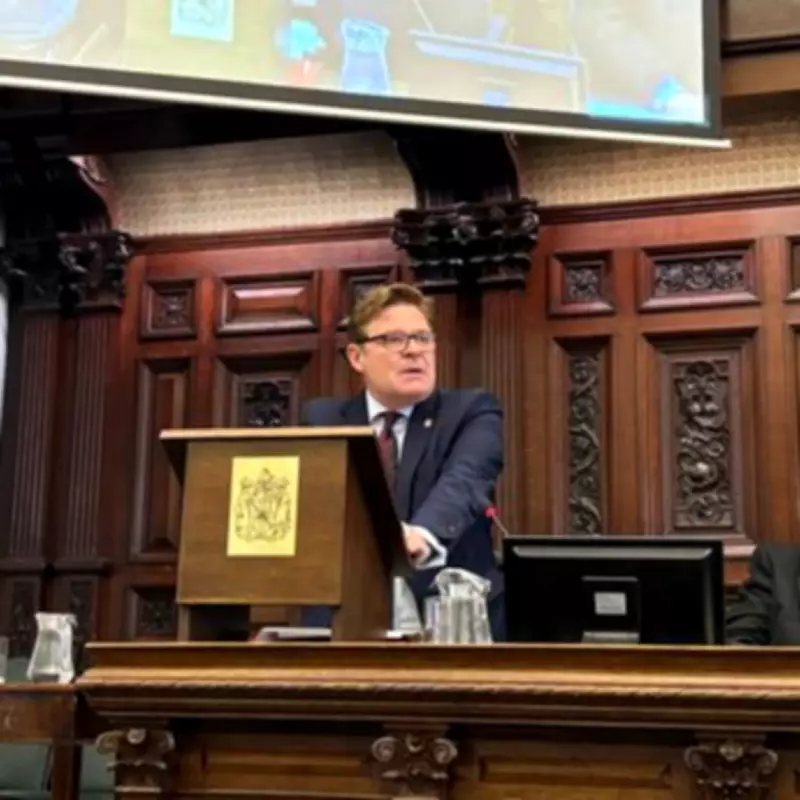
After four hours of intense debate, with the budget vote imminent, Labour leadership finally acknowledged they lacked the necessary support. A frantic message was sent to Liberal Democrat leader Roger Harmer, who then requested an unexpected adjournment.
Conservative members immediately cried foul, issuing a press statement within minutes claiming a backroom deal was being negotiated to prop up Labour's budget. "This is not leadership – it's chaos," they declared.
When the meeting resumed thirty minutes later, Council Leader John Cotton made a surprising announcement at 4:15 PM. Instead of proceeding to the vote, he stated: "I think we all accept that we have a responsibility to agree a budget by the 11th of March. That's a legal duty that falls upon all of us."
He continued: "I think it's also vital that we do so in a manner that doesn't imperil this council's improvement journey, and commands the widest possible agreement... I think it's also clear from those conversations we need to take some additional time to find that way forward."
With Liberal Democrat support, the meeting was adjourned amid cries of "shame" from Conservative benches.
Behind the Scenes Explanations
In a subsequent message to his Labour group obtained by BirminghamLive, John Cotton explained his decision: "I am deeply frustrated that we were not able to get this over the line today, but we could not take the risk that the Lib Dems and Tories would join forces and vote for each other's amendments."
He apologized for requiring members to return for another vote but emphasized: "We have no option but to get this budget over the line and we must ensure that we have the people that we need in the room to achieve this."
Broader Context of Inaction
The budget failure occurs against a backdrop of prolonged industrial action, with Birmingham's bin strike about to enter its fifteenth month. For over seven months, council leadership has not held talks or made offers to the Unite union representing bin workers.
Council leaders have defended their inaction by citing potential equal pay claims that could result from any misstep, fearing that resolving the bin strike with payments to workers could prove financially catastrophic. However, this approach of avoiding difficult decisions mirrors the budget strategy that has now backfired.
Political Implications
Labour now faces the dual challenge of negotiating a budget compromise with opposition groups while also preparing for local elections on May 7. The party must convince Birmingham residents to vote for them in sufficient numbers to maintain control of the council, with this budget failure likely to feature prominently in opposition campaigns.
The coming days will reveal whether Labour can broker a deal with other parties or whether internal divisions will force further concessions. With government-appointed commissioners, Labour party chiefs, and local government ministers all watching closely, the pressure on Birmingham's Labour leadership has never been greater.