Birmingham's Divisive Pest Control Charge Set for Further Increase
Birmingham City Council's contentious pest control charge for rats, widely dubbed the 'rat tax', is poised to rise once more under new budgetary proposals. This development comes as the Labour-run authority, which declared effective bankruptcy in 2023, continues to navigate its financial recovery while managing the ongoing bins strike that has plagued the city for over a year.
Controversial Charge to Reach £27.60
The council introduced charges for rat treatments in gardens and houses in 2023, a service that was previously free to residents. The fee initially stood at £24 before increasing to £26.40 in 2025. Now, fresh proposals indicate another rise to £27.60 – representing a 4.55 per cent increase – when payments resume after being temporarily suspended during the bins industrial action.
This hike forms part of a broader wave of price increases affecting hundreds of council services across Birmingham. Leisure and sport facilities, bereavement services, and car park charges are all set to become more expensive as the authority seeks to stabilise its finances.
Financial Context and Public Health Concerns
The council's financial difficulties stem from a combination of Birmingham-specific issues, including the equal pay debacle and problems with the Oracle IT system, alongside broader funding pressures. Despite approving unprecedented service cuts, council tax increases, and asset disposals worth over £250 million, the authority still faces significant challenges.
Council leader John Cotton has declared that Birmingham is no longer 'bankrupt', but residents now face a proposed council tax increase of around 5 per cent alongside the various service charge hikes. The authority cites high inflation and the ongoing cost-of-living crisis as key factors driving these increases.
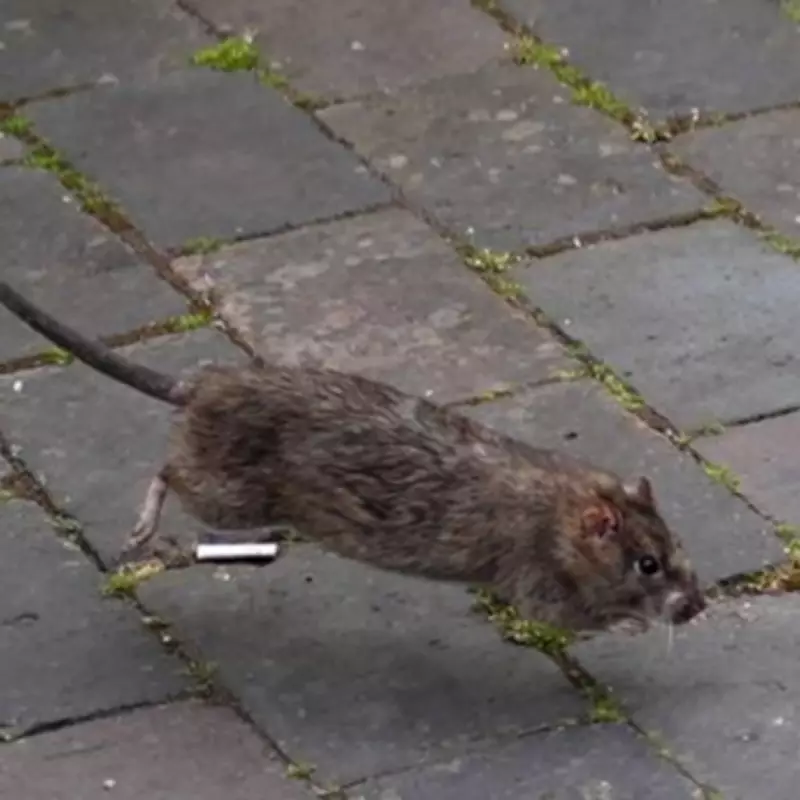
During the bins strike, which recently marked its one-year anniversary, the council made rat treatments temporarily free to 'prioritise public health'. The industrial action attracted national attention last year with reports of 'cat-sized rats' roaming Birmingham's streets.
Political Fallout and Justification
The 'rat tax' has proved deeply divisive since its introduction, prompting councillor Sam Forsyth to dramatically quit the Labour Party in protest last year. Critics argue the charge places additional financial burden on residents already struggling with rising living costs.
Council officials have defended the approach, with Sajeela Naseer, director of regulation and enforcement, stating during the first month of the bins strike: "We followed a lead that has been shown by other local authorities across the country. We accept there are citizens who will no longer have that free service but we have done our best to mitigate against the impacts."
A council spokesperson previously suggested that residents could purchase and apply treatments themselves, noting that supplies are readily available in shops and online.
Budget Proposals and Ongoing Disputes
The proposed budget for 2026/27, which includes the pest control charge increase, will go before the council's cabinet on February 10 before proceeding to a full council meeting for final approval. This comes as the authority claims to have closed an enormous £300 million budget gap through drastic measures implemented over recent years.
Meanwhile, the bins strike dispute between the council and Unite the union continues, having been initially triggered by the loss of the Waste Recycling and Collection Officer role. Striking workers claim they face pay cuts of up to £8,000, though the council disputes this figure and maintains that a fair offer was made before negotiations ended last summer.
Labour councillors have pointed to funding cuts during the previous Conservative government as contributing to the council's financial turmoil, while the authority continues its efforts to achieve sustainable financial footing through a combination of service charges, asset sales, and operational efficiencies.