Senior MP Demands Treason Investigation for Andrew Mountbatten-Windsor
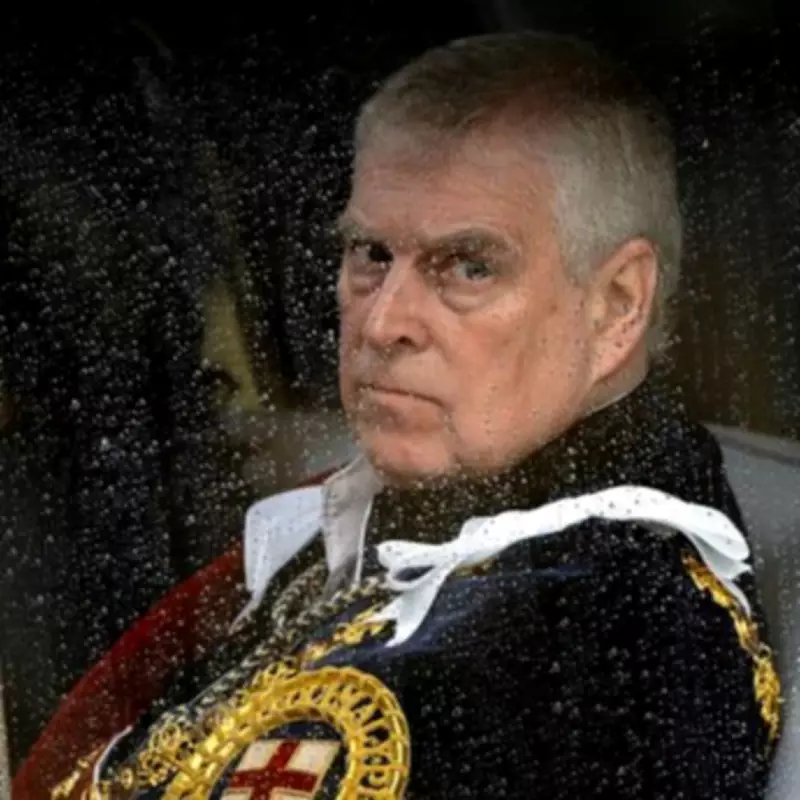
Following the arrest of Andrew Mountbatten-Windsor on Thursday, February 19, a senior Member of Parliament has called for him to face a treason investigation. The former prince, who turned 66 on the day of his arrest, has consistently and strenuously denied any wrongdoing, but remains under scrutiny for serious allegations.
Arrest and Allegations of Misconduct
Andrew Mountbatten-Windsor was arrested earlier this week on suspicion of misconduct in public office. Authorities are investigating claims that he may have forwarded privileged documents from official trade meetings to Jeffrey Epstein, the disgraced financier. Police are currently searching his former home at Royal Lodge as part of the ongoing inquiry.
He served as a trade envoy between 2001 and 2011, a period that includes Gordon Brown's tenure as Prime Minister. This role has now come under intense parliamentary scrutiny, with a committee of MPs potentially launching an inquiry into his activities as soon as next Tuesday, February 24.
MP Raises Urgent Questions on Foreign Influence
Former Tory cabinet minister Tom Tugendhat has stated that the former prince's actions have raised "urgent questions" about foreign influence. In an interview with The Sun on Sunday, Tugendhat emphasized the gravity of the situation, saying, "This goes beyond what a court could reasonably consider. Parliament must consider what it means for the country."
He further questioned, "If the worst is proved, do we need to revisit treason laws written 700 years ago?" This highlights the potential for historical legal frameworks to be applied in modern contexts, sparking debate over national security and accountability.
Insights from Senior Figures on His Role
As reported in The Guardian, a senior figure commented on Andrew's approach during his time as trade envoy, noting, "He approached ministers personally, saying 'Can you find a bigger role for me?' Trade envoys are not considered a very important part of the state, they are mainly tokenistic."
The source added, "Andrew seemed to feel he had no real role in life, but had something to offer in terms of contacts around the world, particularly royalty." This suggests a perception of his position as more symbolic than substantive, yet potentially exploited for personal gain.
Allegations of Entitlement and Financial Ambiguity
A second senior figure provided a damning assessment, stating, "The classic thing would be for him to turn up – and being a royal would get access in some countries – do a lunch meeting but then disappear for six hours and come back with two new Rolexes."
This individual described Andrew as "a rather unpleasant, arrogant, entitled person who was on the hustle and couldn’t tell the difference between the public interest and his private interests." The source also highlighted financial concerns, noting, "It created quite a sense of general distaste. It was always never completely clear who would pay for his trips – the Foreign Office, business department or the palace. And it wasn’t cheap. He went to Davos one year and insisted on the most expensive chalet."
The call for a treason investigation underscores the severity of the allegations and the potential implications for national security and public trust. As the inquiry progresses, further details may emerge regarding the extent of any misconduct and its impact on UK trade and diplomatic relations.