Senior police and council leaders from the West Midlands faced a rigorous parliamentary grilling today over the controversial decision to ban Israeli football fans from a match at Aston Villa. The move, which sparked international headlines and accusations of antisemitism, was the focus of a second hearing by the cross-party Home Affairs Committee.
MPs Demand Answers on Controversial Decision
The committee reconvened on Tuesday, 6 January 2026, to question those responsible for the final call to prohibit supporters of Maccabi Tel Aviv from attending the UEFA Europa Conference League fixture at Villa Park in November. MPs had requested the opportunity to interrogate both senior police officers and council officials involved in the process.
They are examining the intelligence gathering, liaison between different authorities, and community engagement that preceded the fixture. The session, which began at 2.30pm, forms part of an ongoing inquiry into football policing and the specific circumstances that led to a decision causing significant political and community backlash.
Key Figures in the Hot Seat
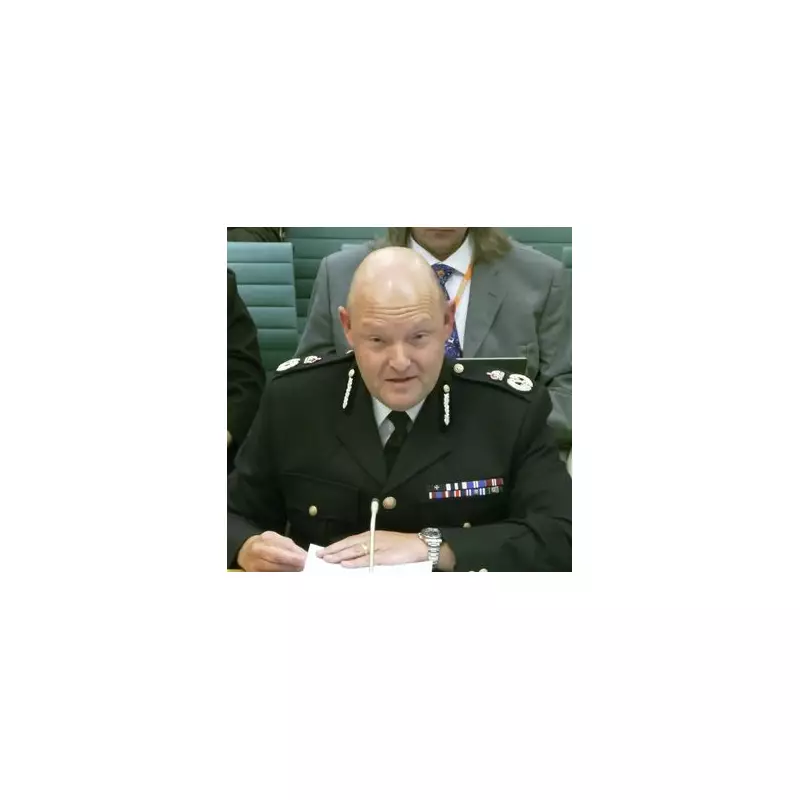
A high-profile panel was called to give evidence before the committee. Representing West Midlands Police were Chief Constable Craig Guildford and Assistant Chief Constable Mike O'Hara, who was the Gold Commander for the Aston Villa v Maccabi Tel Aviv match.
Also present were Chief Inspector Mick Wilkinson, the force's Football Policing Lead, and Chief Constable Mark Roberts, the National Football Policing Lead. From Birmingham City Council, Leader Councillor John Cotton attended alongside Executive Director Richard Brooks and Director of Law and Governance Anthony Cox.
Fallout and Ongoing Scrutiny
The ban has placed West Midlands Police and Birmingham City Council under intense national and international scrutiny. The hearing follows the revelation of secret minutes which indicated the Home Secretary was 'tipped off' about the potential ban amid the growing antisemitism row.
The committee's investigation aims to determine whether the decision was justified by operational security concerns or if it crossed a line into discriminatory practice. The outcome of today's evidence session could have significant implications for future policing of international football matches and the protocols for engaging with diverse communities in the UK.