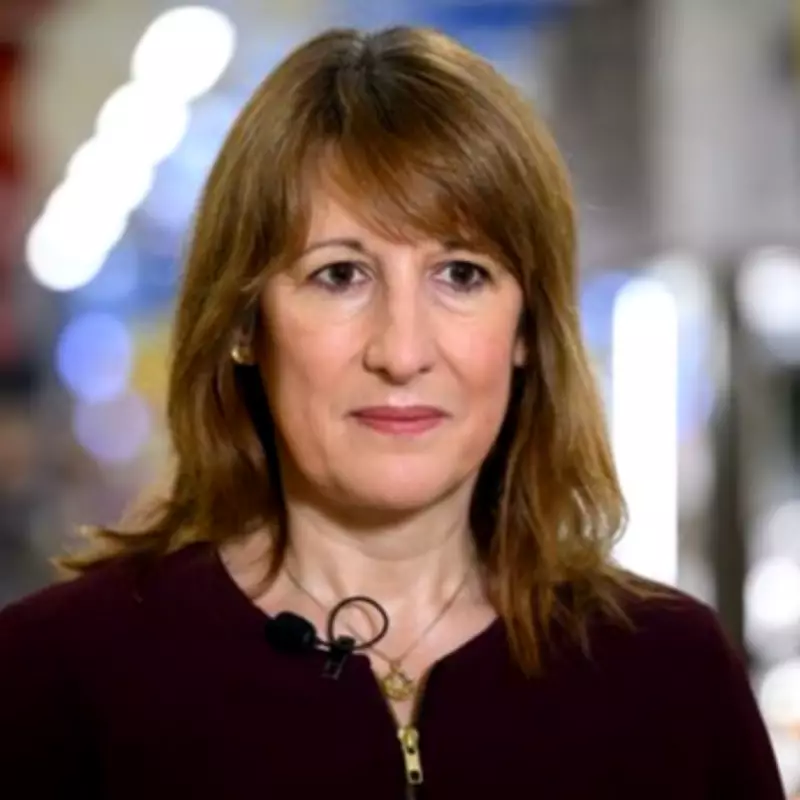
Chancellor Rachel Reeves Extends £150 Warm Home Discount for Five Years
Chancellor Rachel Reeves has announced a significant extension of the Warm Home Discount scheme, ensuring it will remain in place for the next five years. This move guarantees continued financial support for millions of low-income households across the country as they face ongoing cost-of-living pressures.
Support Confirmed for Low-Income Families Until 2030/31
The scheme, which provides a one-time £150 reduction on energy bills during the winter months, has been extended until at least the 2030/31 financial year. This decision means approximately six million families can rely on this crucial assistance throughout the remainder of the decade, offering much-needed relief during the coldest and most financially challenging period of the year.
Expansion of Eligibility Criteria
Under the extended scheme, eligibility has been broadened to include all Universal Credit claimants, a change from previous years when only some recipients qualified. Additionally, individuals on Pension Credit continue to be eligible. The discount is typically applied between November and January each year, either as credit on energy accounts or as a top-up voucher, depending on the payment method.
Combined Savings and Government Commitment
This extension comes alongside an average £150 cut to energy bills set to take effect from April, resulting in a total saving of £300 for households that receive the Warm Home Discount. Prime Minister Keir Starmer emphasized the government's dedication to supporting low-income families, stating, "We're taking £150 off energy bills. That's £300 for the six million poorest families."
Starmer further highlighted the broader Warm Homes Plan, describing it as the largest public investment ever in upgrading British homes. He noted, "It will lift one million homes out of fuel poverty, tackling the cost of living. That's the difference a Labour Government makes." This initiative underscores the administration's focus on alleviating financial burdens and promoting energy efficiency for vulnerable populations.