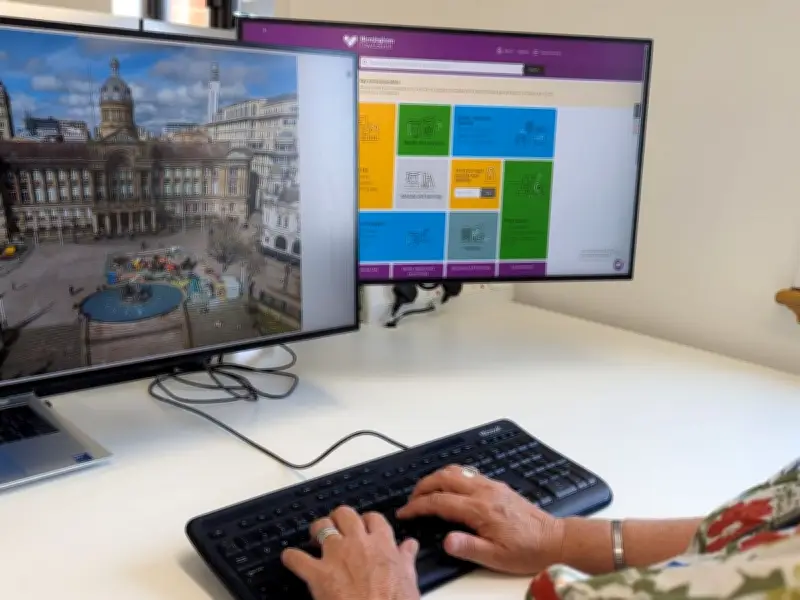
Birmingham City Council is set to go live with its revamped Oracle IT system on August 18, BirminghamLive can reveal, despite warnings of likely 'teething problems'. The finance, procurement and HR system, now renamed Brindley, has cost over £144 million of public money, far exceeding the original £20 million budget.
Staff warned of issues despite two years of preparation
Staff have been told to expect issues during the switchover, despite two years of planning, preparation and testing. Training is in its final stages. Documents seen by BirminghamLive confirm the go-live date, though officials have refused to confirm it publicly. The HR suite has already begun switching over, with staff unable to file absence, sickness reporting or expense claims during an interim period.
In a message to staff, finance chief Carol Culley said: 'As we prepare to move to Brindley, there will be a temporary pause in some HR and Finance activities while information, data and processes are safely transferred across to the new system.' She added that the HR cutover period began on July 1, with the new system going live on Tuesday August 18.

Celebration upsets some staff
The decision to go live has been hailed as a celebratory moment after six years of debate, chaos, investigations and fixes. However, the mention of celebration in staff missives has upset some long-serving officers. One insider said: 'This is a project that has been marred by incompetence and huge problems. It has been a lot of hard work to get to this point, that's true, but rather than plan a celebration, officers should be humbly apologising to the public. We should be collectively embarrassed that we have cost taxpayers so much money.'
External auditors Grant Thornton, council chiefs and government commissioners have backed a careful approach, emphasising 'the right level of quality over speed'. They say there has been huge progress and improved governance around the project.
Impact of the Oracle 'nightmare'
The project's failings have affected public confidence and the council's reputation. Oracle costs and dire functionality were a major factor in the council's de facto bankruptcy in 2023. The system was originally designed to replace a creaking SAP system and bring the council into the 21st century, but massive errors in implementation had a catastrophic impact.
By April 2028, the bill will have topped £144.4 million, with no guarantees against additional costs. Dr James Brackley from the Audit Reform Lab estimated the full cost plus lost savings would top £216 million. After the first go-live in April 2022, the council was unable to pay and track invoices, send payments to schools or spot fraud. Three years of accounts have been qualified as a result.
Lessons learned and future risks
Culley said the council has learned lessons from the previous implementation but added: 'We want to be open that implementing a new ERP system is a complex change for any organisation. There will inevitably be issues as we go live. Success will depend on us continuing to work closely together across the Council, supporting one another and responding quickly to challenges as they arise.'
Programme director Philip Macpherson shared his delight with staff about their 'brilliant achievements' and promised 'a get together to celebrate'. Councillor Harris Khaliq, cabinet member for City Operations and Digital, said: 'The council is continuing to prepare for the implementation of its new Oracle (Brindley) system...this is a complex, large‑scale change and, as with any organisation implementing a new ERP system, there will inevitably be some teething issues as we go live. No final decision to proceed is taken lightly.'