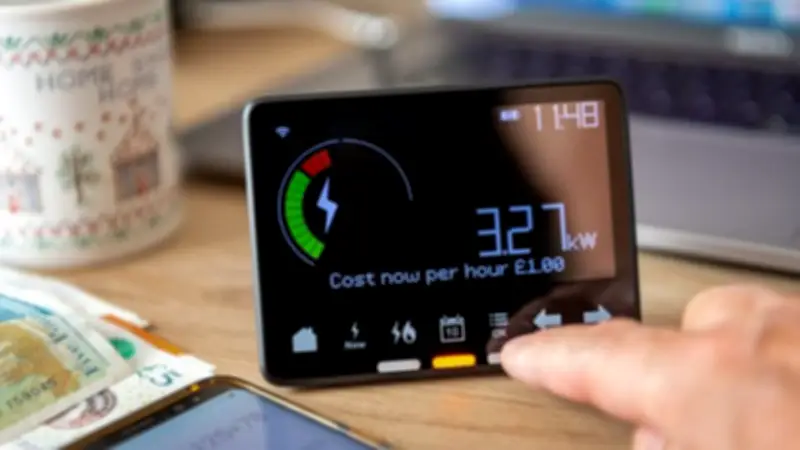
Households experiencing a sudden jump in energy costs should verify whether they are being charged incorrectly by their provider, according to experts from Citizens Advice. A sharp increase in a monthly statement does not always mean the home has used extra power; it could stem from an estimated reading, a broken meter, a billing mistake, or even being charged for the wrong property entirely.
Start with a Meter Reading
Checking if charges are based on an estimated reading is the best starting point for every home, Citizens Advice advises. These estimates are frequently inaccurate, especially if the provider has not received regular updates from the household. For example, a supplier might base summer usage on winter habits if they lack an accurate figure.
If a statement shows it is an estimate, householders should submit a fresh meter reading directly to their provider. The statement will then be updated to reflect actual usage, reports Rory Poulter for the Mirror. Even families with smart meters installed can receive estimated charges from time to time, typically when the device loses connection and fails to send automated updates back to the supplier. This issue frequently arises after switching to a new energy provider, requiring the device to be read manually and the numbers sent over by the household.
Check the Charges and Meter Serial Number
Another common reason for an increase is that unit prices have been raised. Citizens Advice recommends looking at the latest statements to see if the standing charge or unit rates have changed over time. Families on variable price plans will likely see their charges adjust every three months. If no clear reason for the change is found, householders should contact their provider and ask them to explain the increase.
It may sound unlikely, but householders should also check that the serial number on their statement matches the physical device in their home. An administrative mix-up could mean paying for a neighbour's power instead of their own. While faulty meters are relatively rare, they should still be considered if charges jump without any change in habits. A statement could also rise significantly if an accurate reading is submitted after a long period of estimates. That does not automatically mean the provider made a mistake on the new statement; it usually means previous estimates were too low and the household is simply catching up on energy previously used.
Back Billing and Measurement Units
Fortunately, strict rules prevent suppliers from back-billing for energy used more than 12 months ago. There are also clear limits on how much a company can raise a direct debit to cover past usage. Finally, anyone who recently had a new gas meter installed should double-check their measurement units. Older systems measured gas in imperial feet, while modern digital units record in metric metres. If the provider has the wrong unit type on file, the statement could end up much higher than it should be.