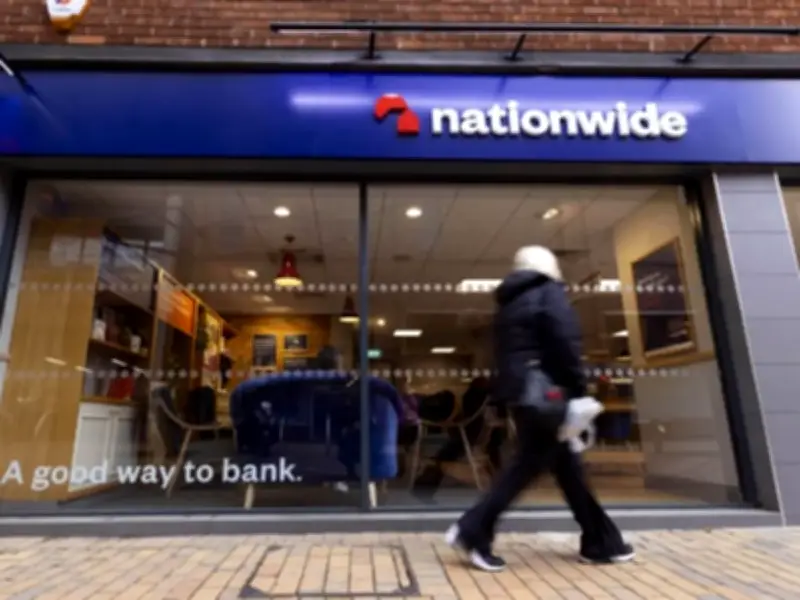
Nationwide customers are being warned about a nationwide email scam that appears genuine at first glance. Consumer group Which? has issued an alert about the phishing emails, which claim that a monthly direct debit payment has been set up on the recipient's account for a dental practice.
The fraudulent email mimics genuine Nationwide communications in font and design, according to Norfolk Trading Standards. It tells recipients that 'a new Direct Debit has successfully been set up' and provides details of a payment to a Dental Practice for hundreds of pounds, along with a 'monthly instalment first payment date' set for a couple of days after the email is received.
Malicious Link Leads to Fake Website
Which? warns that the email instructs recipients to click on a malicious link if they do not recognise the payment. This link leads to a dodgy website intent on stealing personal details, the consumer group explained.
Norfolk County Council Trading Standards is also raising awareness about the scam, urging residents to be vigilant. The council's warning follows a pattern of increasingly sophisticated phishing attempts targeting banking customers across the UK.
Brushing Scam Also Reported
In addition to the direct debit scam, Norfolk Trading Standards is highlighting a separate 'brushing' scam in which people receive unsolicited packages. These parcels are not charged to the recipient but are sent to help sellers post fake reviews online.
'Some people might not think of this as being victims of a scam,' a spokesman for the council said. 'The reality, though, is being involved in a brushing scam means that someone has gained access to your name, mailing address and potentially other information.'
The spokesman added: 'Depending on how they accessed your information, they could be privy to a lot more of your personally identifiable information than you realise.'
Nationwide's Advice to Customers
Nationwide, which has branches in Birmingham, advises customers to trust their instincts. The bank states: 'You should always listen to your instincts – you know if something doesn’t feel right. Stay in control – don’t panic and make a decision you’ll regret.'
Nationwide also urges customers to 'be prepared to say no' and to stop and contact the organisation directly if they are unsure about any request. The bank's guidance comes as part of a broader effort to protect customers from increasingly convincing scams.
Customers who receive the fake direct debit email are advised not to click on any links and to report the email to Nationwide or Action Fraud. The warnings from Which? and Norfolk Trading Standards highlight the growing sophistication of phishing campaigns targeting UK bank customers.