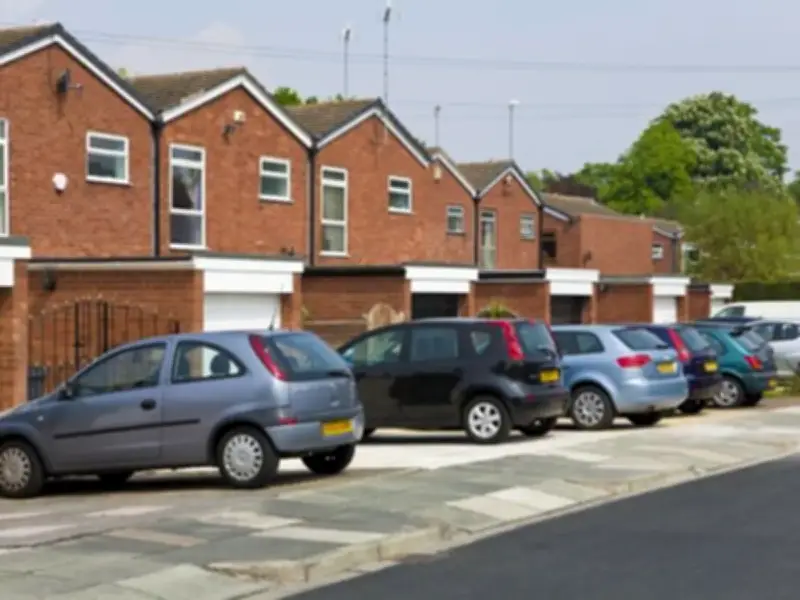
The Government, now led by Andy Burnham, has changed driveway laws to make it easier for homeowners in England to install electric vehicle charging points at their properties. Red tape is being removed so residents will no longer have to apply for planning permission if they want to add these chargepoints.
Planning permission delays removed
Ministers are aware they need to dramatically scale up the amount of EV charging infrastructure over the coming years, as new petrol and diesel cars are set to be banned from 2030. The change follows concerns that the often long-winded planning permission process was severely holding up the roll-out. It could sometimes take as long as nine months.
The Department for Transport has a target of 300,000 new charging points by the end of the decade. The law change is intended to help meet that goal by removing bureaucratic hurdles for homeowners.
Government minister comments on the changes
Minister Lilian Greenwood said: "We're cutting down on paperwork to power up the EV revolution so that drivers, businesses and those looking to make the switch will have more chargepoints to power from and less red tape to deal with."
Greenwood added: "We continue to make the switch to EVs easier, cheaper and better by investing over £2.3 billion to support drivers and back British carmakers through international trade deals, creating jobs, boosting investment and securing our future."
Industry reaction to the new driveway law
Lewis Gardiner, operations director at Osprey Charging Network, said: "Removing the need for planning permission for essential electrical infrastructure like substations across the majority of sites will save months of delays, reduce costs and accelerate the delivery of the rapid charging hubs drivers need."
The change applies to residential driveways across England, where homeowners can now install EV chargepoints without seeking planning permission. The Government expects this to significantly speed up the installation process and support the transition to electric vehicles ahead of the 2030 ban on new petrol and diesel cars.