The number of Universal Credit claimants who are signed off with a "no requirement to work" has soared by 830,000 in just 12 months. New figures reveal that 3.5 million people are now on Universal Credit Health, a 34 percent increase, with 2.8 million claimants entirely exempt from working or even preparing to find a job. This marks a significant rise from 831,000 previously.
Reform UK Responds
Reform UK Chairman Lee Anderson MP said: "These figures are utter absurdity and show a welfare system spinning out of control. Millions are now parked on incapacity benefits, with a growing number effectively written off from work altogether. Of course we must protect those who are genuinely sick and vulnerable, but this surge, driven largely by mental health claims, raises serious questions about how people are being assessed. Reform UK would end automatic write-offs, restore proper face-to-face assessments, and get Britain working again."
DWP Statement
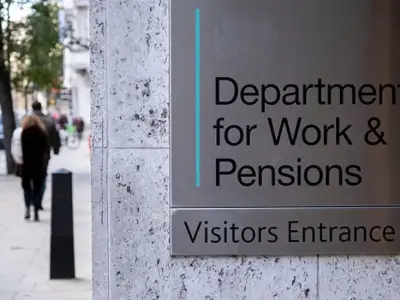
A Department for Work and Pensions spokesperson said: "Nearly three quarters – 72 percent – of the increase in Universal Credit Health caseload from the past year is because of the decision taken by the last government to move sick and disabled people onto Universal Credit from legacy benefits – not from new benefit recipients. We are investing 3.5 billion pounds to help disabled people and those with long-term conditions into work, giving disabled people the right to try work without risking their benefits, and reforming Universal Credit to remove perverse incentives that keep people on benefits."

Understanding Universal Credit
Universal Credit is a payment to help with living costs. It is paid monthly, or twice a month for some people in Scotland. You may be able to get it if you are on a low income, out of work, or cannot work. The amount you get depends on your standard allowance and any extra amounts that apply, as well as any deductions and earnings if you are working.