The UK government has unveiled a landmark new road safety plan, marking what it calls a decisive 'turning point' in efforts to cut deaths and serious injuries on roads in England and Wales.
Core Measures of the New Strategy
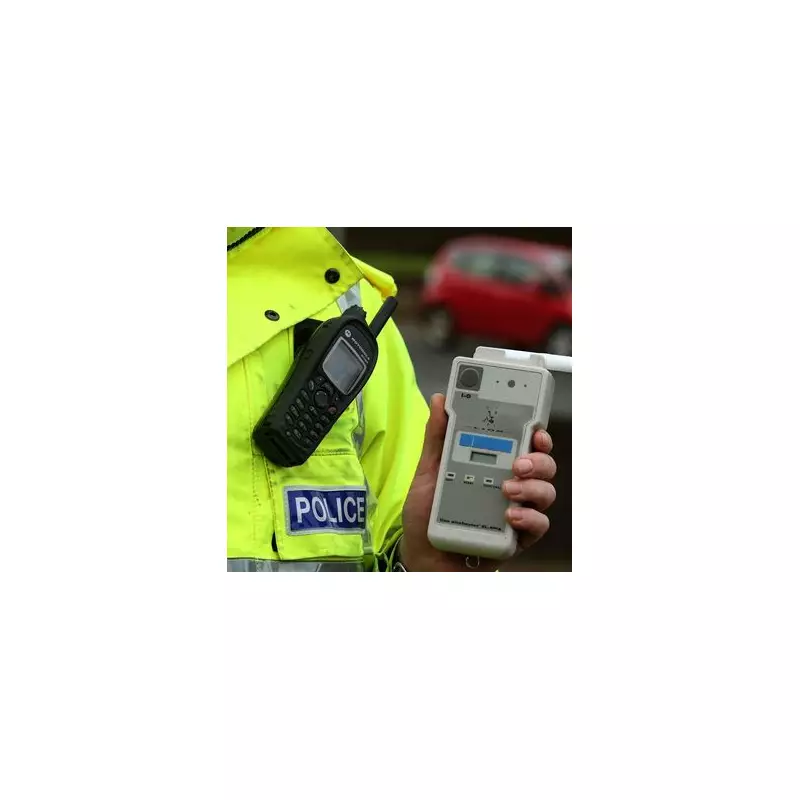
Central to the strategy is a proposal to lower the legal drink-drive limit in England and Wales from 35 micrograms of alcohol per 100 millilitres of breath to 22 micrograms. This change would bring these nations into line with Scotland, which reduced its limit back in 2014. The current limit in England, Wales, and Northern Ireland is among the highest in Europe.
Other key proposals include introducing compulsory eye tests for drivers aged 70 and over, a measure aimed at enhancing safety for all road users. Currently, drivers only have a legal duty to inform the DVLA if their eyesight deteriorates, with no mandatory periodic testing.

The plan also outlines a minimum learning period for new, novice drivers to ensure they gain sufficient experience before driving independently. For serious offenders, the strategy could see some convicted drink-drivers required to install 'alcolocks' in their vehicles. These devices prevent a car from starting until the driver passes a breathalyser test.
Ambitious Targets to Save Lives
This is the first comprehensive road safety strategy in over a decade. It sets an ambitious target to reduce road deaths and serious injuries by 65% by 2035, with an even more stringent goal of a 70% reduction for children under the age of 16.
Transport Secretary Heidi Alexander stated: "Every life lost on our roads is a tragedy that devastates families and communities. For too long, progress on road safety has stalled. This strategy marks a turning point." She added that the measures announced would save thousands of lives in the coming years.
The Department for Transport highlighted that while UK road deaths have fallen significantly since 1,850 in 2010 to 1,602 in 2024, the rate of decline has slowed. It noted that 22 European countries have made more progress than the UK in recent years.
Industry and Charity Reaction
Road safety organisations have largely welcomed the proposals. AA president Edmund King praised the strategy as a 'radical reframing of road safety', while the RAC's Rod Dennis said 'it can't come soon enough'.
Nicholas Lyes, director of policy at IAM RoadSmart, described the measures as 'robust policies to make our roads safer' after what he called a 'lost decade' in casualty reduction.
Karen Tyrell, chief executive of the charity Drinkaware, supported the limit change but emphasised it is "vital that this change is coupled with strong enforcement." She revealed that the proportion of drink-driving collisions causing fatalities has nearly doubled since 2015.
It is important to note that the power to alter the drink-drive limit in Northern Ireland rests with the devolved Northern Ireland Assembly, and is not part of this announcement for England and Wales.