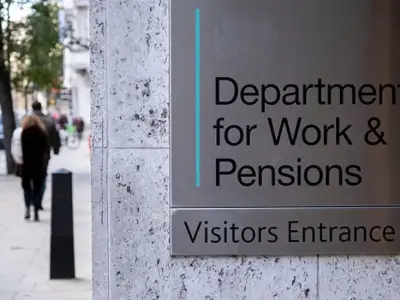
The Department for Work and Pensions is facing mounting pressure to reduce benefits payments for 600,000 claimants, following new data showing many households received more than the average worker's salary last year.
Benefits Exceeding Average Earnings
According to the latest figures, 625,618 households were awarded over £32,200 in DWP benefits—the average annual take-home pay for a British worker. Among these, 267,000 households received more than £40,000, 91,000 got over £50,000, and 16,289 were given more than £60,000, marking an 8.5% increase from the previous Labour government.
Political Reactions
Neil O’Brien, the shadow minister for policy development, stated: “The real-terms growth and scale of really large benefit claims from working-age households make the case for a return to welfare reform stronger.” The Conservative MP added: “We need reforms across all types of benefit—and particularly the household benefit cap, which is no longer really constraining the growth of really large claims. Some households are getting a lot more in benefits than the average person gets to take home after working full-time. We need a system that’s fair to taxpayers as well as those benefiting from it.”

Helen Whately, the Tories' shadow work and pensions secretary, commented: “The household benefit cap means you can opt out of work and still get thousands of pounds of extra benefits. We will make the cap do what it’s supposed to do—make sure work always pays. Welfare should be a safety net, not a lifestyle choice.”
Government Defense
A Government spokesperson defended the payments, saying: “The 2% of households receiving this level of support have the highest needs and require extra assistance. The benefit cap exempts households where one or more residents have a severe disability requiring extra support and are among the most vulnerable in our society, and it is right that they receive it.”