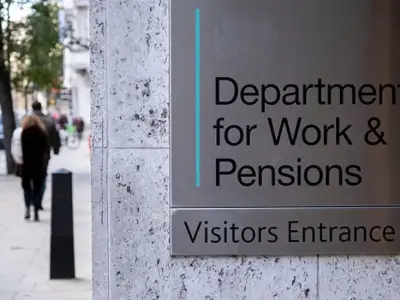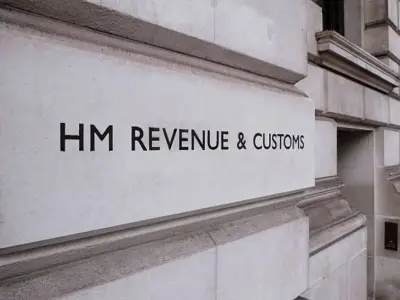
HMRC has issued a state pension warning for individuals born after 1966, urging over-60s to be aware of three key aspects regarding their state pension. The tax authority, operating under the Labour Party government, shared these 'good-to-knows' on X (formerly Twitter).
Tax in Retirement
HMRC explained that tax in retirement functions similarly to working life. Up to £12,570 of your annual income may be tax-free under your Personal Allowance. Any income exceeding this threshold is taxed based on your earnings. Taxable income includes the Department for Work and Pensions (DWP) state pension, private pensions, personal pensions, savings, and investments.
State Pension Age Changes
The state pension age is set to rise from 66 to 67 for both men and women over the next two years. This change will directly affect those born between April 1960 and March 1961. Individuals born after these dates will have a fixed state pension age of 67. Further increases are anticipated around the 2040s. The state pension age marks the earliest point you can claim your state pension, but you are not required to claim it at that time and can defer it.

National Insurance Contributions
Most people stop paying National Insurance contributions after reaching State Pension age. For the self-employed, Class 2 National Insurance contributions will no longer be treated as paid, and Class 4 contributions cease from 6 April following the tax year in which you reach State Pension age. You only pay Income Tax if your total taxable income, including your private pension and State Pension, exceeds your tax-free allowances. If you believe you should be paying tax, contact HMRC.