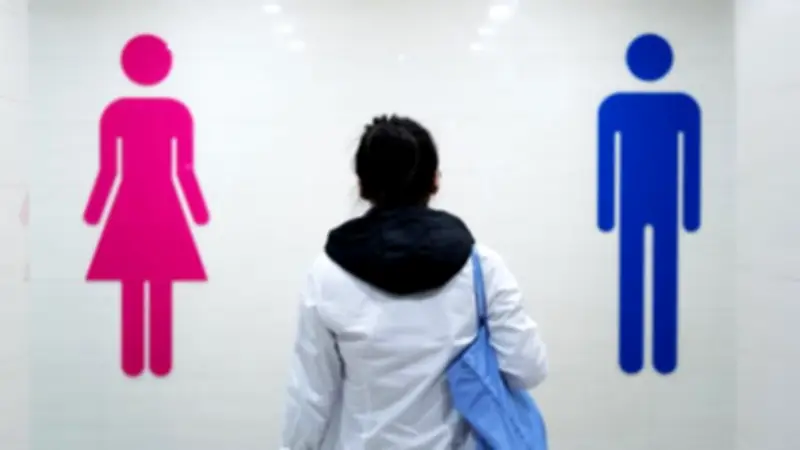
An estimated 13,000 public toilets and more than 5,000 changing rooms could require refurbishment under a new government code of practice that mandates single-sex spaces be accessed based on biological sex at birth. The changes, which could cost millions of pounds, will affect gyms, hospitals, leisure centres, and other service providers. Additionally, at least 18,000 signs may need replacing, according to figures obtained by the Press Association.
Supreme Court Ruling Drives Change
The code of practice follows the Supreme Court ruling in April 2025, which clarified that under the Equality Act, single-sex services—including toilets, changing rooms, hospital wards, and refuges—must be accessible on the basis of a person's biological sex, not their gender identity. The revised guidance, published by the Government eight months after the Equality and Human Rights Commission (EHRC) submitted it, will impact service providers such as restaurants, leisure centres, and hairdressers; public functions like council services; and associations including local sports clubs with at least 25 members.
Once the code takes effect, numerous organisations are expected to need to modify public facilities to fulfil their obligations under the 2010 Equality Act, reports Neil Shaw on Plymouth Live.

Unisex Facilities as an Alternative
The code suggests that unisex facilities, such as self-contained lockable cubicles, could provide toilet and changing room provision for everyone. It notes that it would be "very unlikely to be proportionate to put a trans person in a position where there is no service that they are allowed to use."
Financial Impact and Reactions
When the code was first published, EHRC chairwoman Mary-Ann Stephenson acknowledged a financial impact on some businesses but suggested that "in a lot of situations, the cost is not going to be very high. Most service providers already have male and female toilets, and will also have, for example, a unisex accessible toilet. If you're a small provider, the code gives the example of a small community centre, that might be enough. A larger provider might need to do more."
Some campaigners—including NION (Not In Our Name) Women, who said they represent "the many organisations who believe in practical, trans-inclusive services"—have voiced concerns. In an open letter, they stated: "We reject the false choice between protecting women and treating trans people with dignity, and believe women's rights are best advanced when we stand in solidarity with our trans siblings."
For Women Scotland (FWS), which claimed victory in the Supreme Court ruling last year, hailed the publication of the guidance in May as a "significant milestone in ensuring women's rights are upheld and protected." Following the code update last week, an FWS spokeswoman said: "It's important to remember that the code does not represent a change in the law, just practical help for implementing it. If businesses have been complying with the law, there shouldn't be a need for major changes."
Government Response
A Government spokesperson said: "Many businesses will already be largely compliant with the code, so there will be no cost at all. For those that do need to make changes, these are likely to be small, such as changing signs on existing facilities. This is about giving organisations the guidance they need, not changing the law or creating new rules. The draft code is clear that a provider's size and the facilities they have available will be factors in how they follow the law."