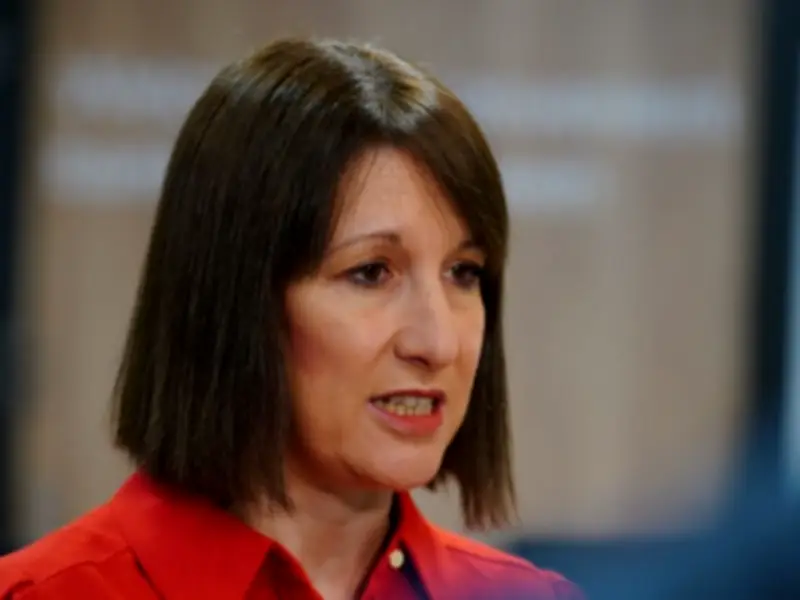
Chancellor Rachel Reeves has extended a controversial tax policy originally introduced by the Conservatives, freezing income tax thresholds until 2031. This means workers earning over £35,000 face a 'fiscal drag' warning as salary increases could push them into higher tax brackets.
The freeze, in place since 2021, keeps tax bands static while wages rise. As a result, more people are dragged into paying higher rates of income tax. Even a cost-of-living pay rise could push someone earning around £35,000 over the £50,270 threshold for the higher rate of 40%.
Who is affected by the tax freeze?
Anyone currently earning between £35,000 and £50,270 is at risk. A promotion or job move could suddenly place them in the higher tax bracket. Similarly, those earning just below £50,270 need only a small increase to be shifted into the higher rate.

According to the government, the freeze is expected to remain in place for the next five years, raising billions in additional revenue. Critics argue this disproportionately hits middle-income households.
What is fiscal drag?
Fiscal drag occurs when tax thresholds are not adjusted for inflation. As wages rise, a larger proportion of income is taxed at higher rates. The Office for Budget Responsibility estimates that by 2028, an additional 3 million people will pay the higher rate.
Rachel Reeves has defended the policy as necessary for fiscal responsibility, but opposition MPs have called it a 'stealth tax' on working families.