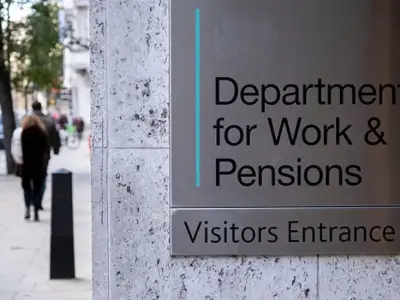
The Department for Work and Pensions (DWP) is set to implement a significant shake-up of the benefits system in 2026, driven by the new Universal Credit Act 2025. These changes will affect millions of claimants across the UK, bringing both increases to some payments and the complete cessation of others.
Legacy Benefits Axed and Standard Allowance Boost
One of the most profound changes will see the final end of the old-style legacy benefits system on 31 March 2026. From this date, no further payments will be made for Income-based Jobseeker’s Allowance, Income-related Employment and Support Allowance, Income Support, Housing Benefit, Child Tax Credit, and Working Tax Credit. All remaining claimants will have moved onto Universal Credit.
For those on Universal Credit, the core standard allowance will increase from April 2026. For single adults aged 25 or over, the monthly payment will rise from £400.14 to £424.90, an increase of £24.76. For couples where one or both are 25 or over, it will increase from £628.10 to £666.97 per month, a boost of £38.87.

Key Changes to Health Support and Child Payments
Major reforms are also planned for health-related support. The additional payment for those with a long-term health condition or disability, known as the Limited Capability for Work and Work-Related Activity (LCWRA) element, is changing. While it currently adds £423.27 per month, for most new claimants starting on or after 6 April 2026, this amount will be reduced to £217.26 a month.
There is a crucial window for existing claimants. If you are eligible, you should apply as soon as possible, as starting to receive the LCWRA element before 6 April 2026 means you will keep the current, higher rate. The final opportunity to report a health condition for assessment will fall between 6 December 2025 and 5 January 2026, depending on individual circumstances.
In a welcome move for larger families, the controversial two-child limit will be scrapped from April 2026. This policy currently prevents families from claiming £292.81 per month in Universal Credit for a third or subsequent child born after 6 April 2017. Its removal could mean a yearly increase of around £3,500 for a single parent with three children.
Inflation-Linked Increases and Childcare Support
While the standard allowance rises by 6.7%, all other components of Universal Credit will increase by 3.8%, in line with inflation. This includes support for childcare costs. From April 2026, the maximum monthly amount parents can claim back for one child will rise from £1,031.88 to £1,071.09, potentially providing an extra £39 per month.
Furthermore, the maximum support available for childcare costs will increase by £736.06 for each additional child above the now-abolished two-child cap, offering further financial relief to working families.
These comprehensive changes mark the biggest transformation of the welfare system in years, with the full transition to Universal Credit becoming a reality and new payment structures taking effect. Claimants are urged to check their eligibility and understand how the new rules will impact their household finances from next year.