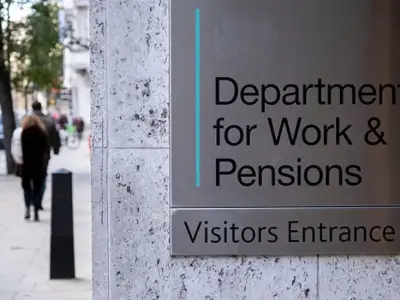
The age at which people in the UK can claim their state pension is set to change, with a major increase beginning this spring. The Department for Work and Pensions (DWP) has confirmed the start of a phased process that will see the state pension age rise from 66.
The Timeline for Change
The state pension age will begin rising from the current 66 in a phased process starting in April 2026. This adjustment is designed to lead to a universal state pension age of 67 for everyone by April 2028. The change will affect those born after specific dates, with the exact birth years being determined by the phased timetable.
In a parallel move, the minimum age to access workplace and private pensions is also scheduled to increase from 55 to 57, although this shift is not due to take effect until April 2028.

Debate Over the Next Hike to 68
The future of the state pension age is firmly on the political agenda. The Labour Party government has launched two new independent studies to examine when the pension age should be increased to 68. This move puts the next potential hike officially up for debate.
The government has instructed the experts compiling these reports to base their analysis on a crucial assumption: that the triple lock pledge will remain in place indefinitely. This policy, promised for the duration of the current parliament, guarantees the state pension increases each year by the highest of three measures: inflation, average earnings growth, or 2.5 per cent.
Implications of the Triple Lock and Age Rises
Financial experts highlight a significant tension within the pension system. They point out that the generous triple lock tends to benefit wealthier pensioners who typically live longer. Meanwhile, raising the state pension age to help fund these annual rises disproportionately impacts poorer pensioners, who often have lower life expectancy and may rely more heavily on the state pension as their primary income.
The complexity of setting the state pension age is underscored by the Government Actuary's report. Peninsula Pensions explained that the report calculates potential timetables under different scenarios, considering factors like the target proportion of adult life spent in retirement and various life expectancy projections.
The calculations are highly sensitive to these assumptions. Furthermore, recent trends present challenges for planners. Slowing improvements in life expectancy and the unknown long-term impact of the COVID-19 pandemic make projecting future demographic trends exceptionally uncertain, complicating decisions about the state pension age.
For millions of UK workers, these reviews and the ongoing phased increase signal a future where retirement will begin later. The coming years will be critical in determining the long-term balance between pension affordability and fairness across different sections of society.