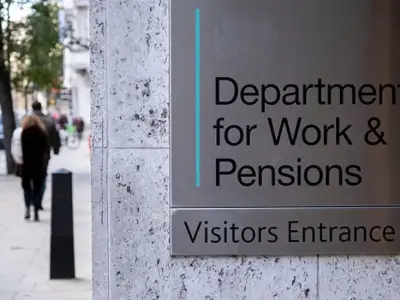
The Department for Work and Pensions (DWP) has confirmed the long-planned increase to the state pension age will commence this spring, marking the start of a significant shift in retirement planning for millions across the UK.
The Timeline of Change
From April 2026, the official state pension age will begin its rise from 66 to 67. This change, which was first legislated back in 2014, is scheduled to be fully implemented for all men and women by 2028. However, this is not the end of the road. A further increase, raising the pension age from 67 to 68, is already planned to take effect between 2044 and 2046.
Concerns are now mounting that this second hike could be brought forward. Analysis suggests that accelerating the increase to the state pension age to 68 into the early 2040s could impact nearly three million people, delaying their retirement plans.

Expert Analysis on Affordability and Impact
Patrick Thomson, Head of Research Analysis and Policy at Phoenix Insights, provided context to the changes. He noted that the upcoming 4.1% state pension uprating in April, driven by the triple lock mechanism, will offer some relief amidst high living costs.
However, he highlighted the systemic pressures facing the system. "The state pension remains at a critical juncture with questions remaining over its long-term affordability and the future of the triple lock," Thomson stated. "Projections suggest there will be five million more state pensioners in the UK by 2070 compared to just one million more people of working-age."
While accelerating the pension age could mitigate costs, Thomson cautioned that not everyone will be able to work to a later state pension age. He also pointed out that despite the triple lock, the UK state pension is lower than the OECD average, with the country spending a smaller proportion of government funds on pensioner support compared to its peers.
Looking to the Future
The debate is set to intensify with another state pension age review expected during the current parliament, which should provide more clarity on the timetable for the rise to age 68.
Experts argue that any future changes must be paired with supportive policies. Thomson emphasised the need for "policy interventions to support greater retirement adequacy, including enabling people to remain in work later in life and boosting pension saving through auto-enrolment."
For now, the immediate change is locked in. The rise from 66 to 67 begins this April, setting the stage for further difficult decisions about the sustainability of the UK's state pension system in the decades to come.