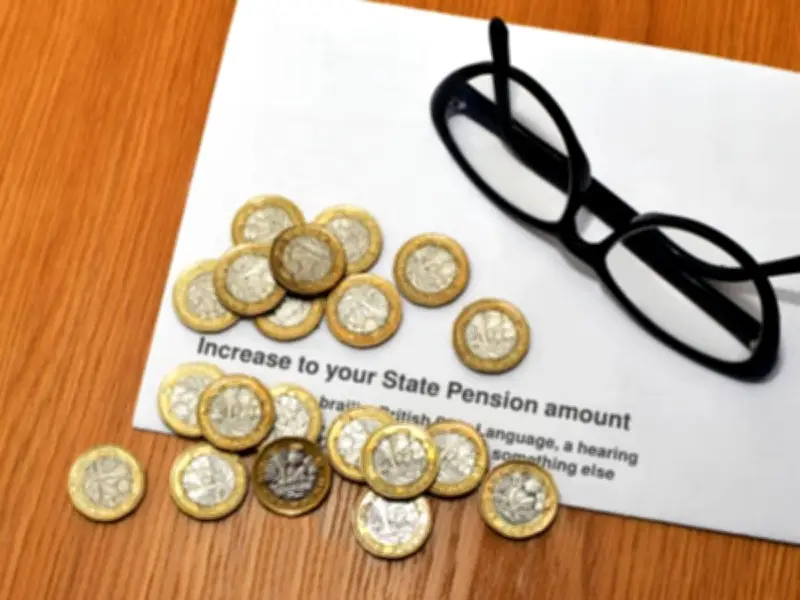
State pensioners are receiving new tax codes from HMRC following a clarification from the Department for Work and Pensions (DWP) regarding the taxation of the state pension. The move comes after a taxpayer reached out to HMRC on social media platform X, formerly Twitter, questioning why their tax code had changed.
HMRC Explains Tax Code Changes
In response to the query, HMRC stated: “The State Pension is taxable, but the DWP doesn't take tax at source, so we change your tax code to give enough of your tax free allowance to match the State Pension, leaving whatever's left for a private pension.” This means that pensioners with additional income, such as a private pension, may see adjustments to their tax code to ensure the correct amount of tax is collected.
Triple Lock and Rising State Pension
Rachel Vahey, head of public policy at AJ Bell, highlighted the impact of the triple lock guarantee, which ensures the state pension rises annually by the highest of average earnings growth, September’s inflation figure, or 2.5%. With earnings growth at 4.8%, the state pension is set to increase to around £12,548, exceeding £12,000 for the first time and nearing the frozen personal allowance of £12,570.

Vahey noted: “Low income pensioners have been promised that, from April 2027 when the full state pension is projected to exceed the tax-free personal allowance, nobody will pay tax if their only income came from the state pension. That measure is designed to avoid the unwelcome optics of government giving pensioners a benefit on one day, only to then ask for some of it back the next.”
Uncertainty Over Implementation
However, Vahey expressed uncertainty about the policy’s implementation: “It is still unclear exactly how the policy will be implemented and it’s hard to see how such a measure can last long-term. State pension incomes will continue to grow faster than the frozen personal allowance until at least 2031, by which time the tax break could be worth hundreds. But it will only apply to those with the state pension as their sole source of income and there are no plans to extend it to low income pensioners with private pension income. It means two pensioners on identical incomes could find only the one with private savings has to pay any tax.”
Impact on Pensioners
As the state pension rises, more pensioners may be drawn into paying tax on their state pension income. The current personal allowance freeze, set to last until 2028, exacerbates this issue. Pensioners with private pensions or other income will continue to see their tax codes adjusted to account for the taxable state pension. The DWP’s clarification aims to help pensioners understand why their tax codes are changing and how their tax-free allowance is being allocated.